
Kebabs and cutlets? Different regions have different connotations. And making a kebab is a method, while eating a cutlet is a dish. Language plays a key role in this article, and for that, we will divide this conversation into the east vs. the west. But historically, food anthropologists agree it has been repurposed. Their histories tell a tale of food migration.
A cutlet is a piece of breaded meat pan-fried or deep-fried and served with a side of potatoes and other vegetables, perhaps a coleslaw. However, if you move east, the process involves taking leftovers such as meat, fish, and vegetables, shaping them, chilling them, and preparing them to be fried, typically served as an accompaniment to a meal. It was created with the purpose of reusing some leftover morsels, cooked and uncooked.
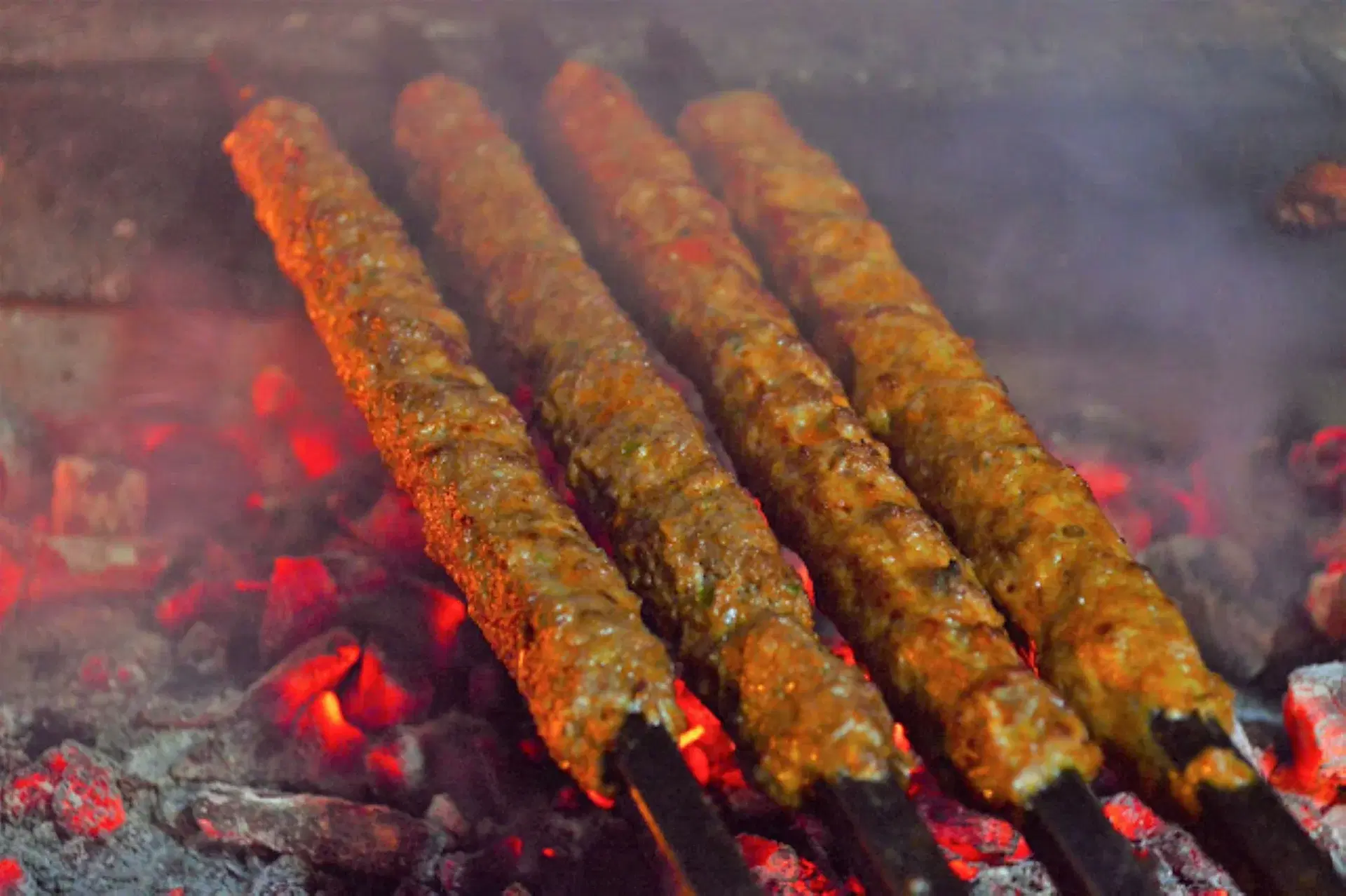
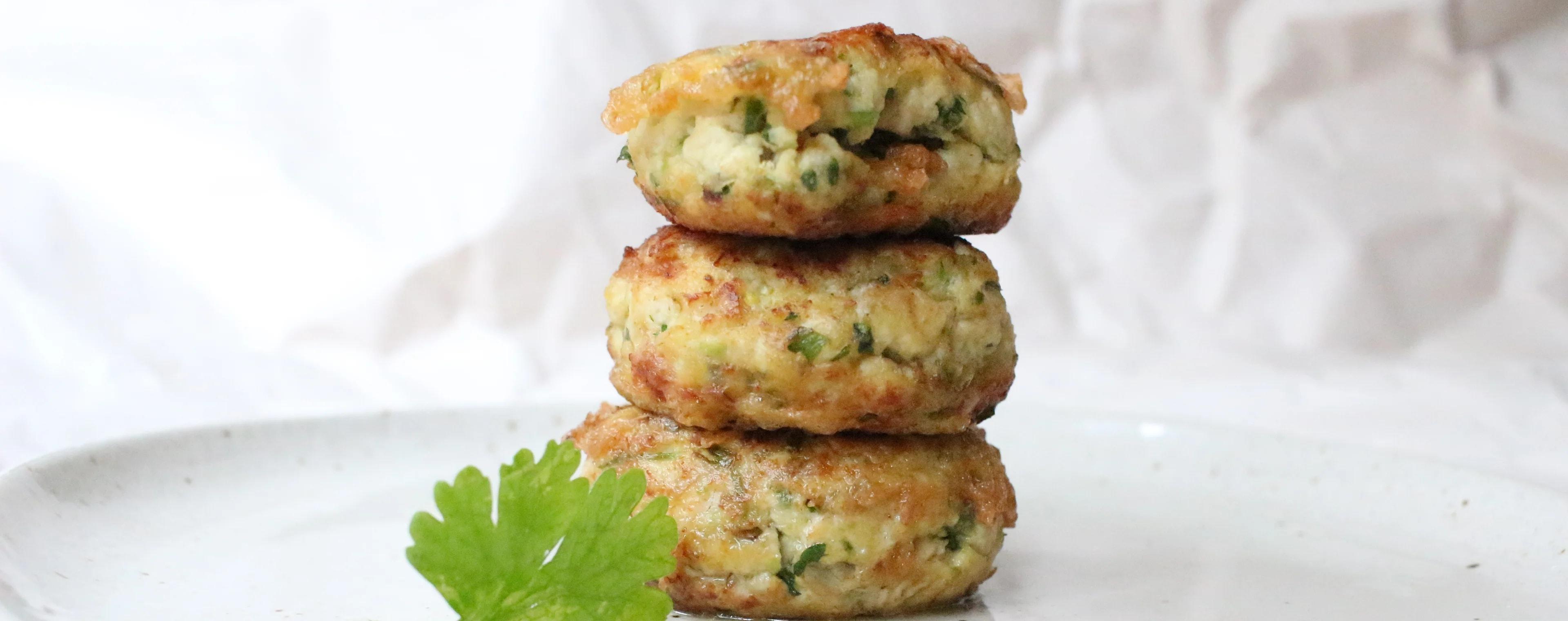
Making kebabs is more of a conceptual cooking method than a single recipe. It might be little round balls (kavab), oval-shaped cutlets, or plain, flat, round discs like crab cakes. We make them with fish, prawns, meat, and chicken. Fish ones are called "machhi na cutlace," whereas meat and prawns are called "gos na kavab" and "jhinga na kavab," respectively. Vegetables and akuri (eggs scrambled with cooked vegetables) are filled with potato mash and called patties.
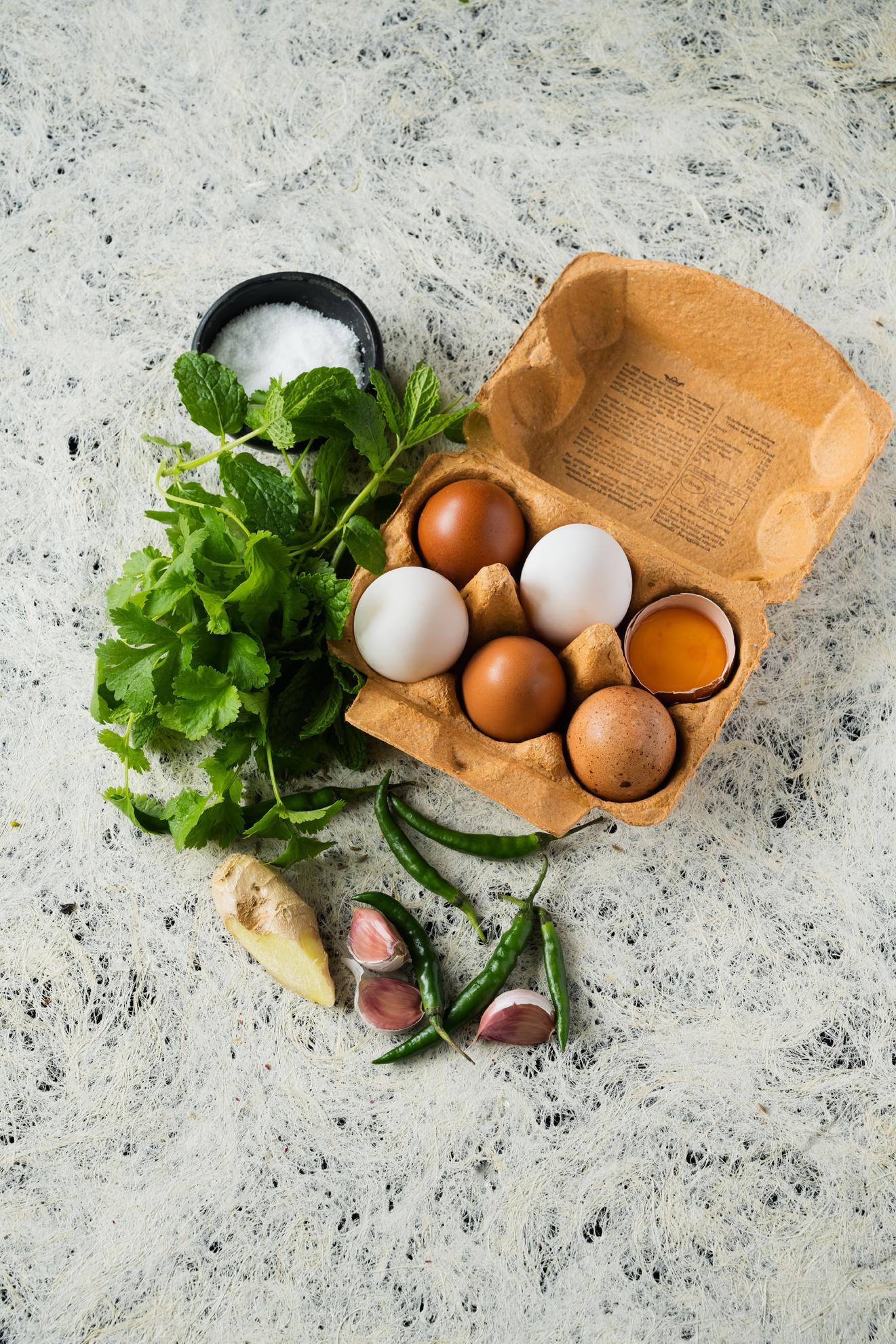
There's also the "scotch egg," a British invention that we do a version of in which we wrap half a boiled egg in green coconut chutney before encasing it in mashed potatoes, dipping it in egg, and pan-frying.
Cutlets, kebabs, and patties are the art of reusing leftovers. Parsis firmly support a no-waste policy. Rich or poor, generous or frugal, we are taught to wipe our plates and reuse the day's leftovers. It was the clever matriarch who wisely created something new from the old. The concept of preparing the cutlet, cutlace, or kavab continues at its center. But Parsis do not particularly like to eat foods without a "rus"—sauce or gravy—and consider them “suku bhonu," or ‘dry.’ A tomato sauce, or "tamota ni gravy," is a crucial side dish for cutlets, particularly when they are egg-dipped and deep-fried. It is a tomato ketchup that has been cooked down with jaggery and hints of spicy spices. I like to include ginger and fresh mint in mine.
Unlike Parsi cuisine, Persian and Indian cuisines enjoy their meats barbecued and grilled on skewers and cooked in tandoors—hot earth ovens. They could be cut in chunks or ground. Cutlets and kebabs are much revered in their cuisines.
Down the food chain, the Persian "kotlet" became the Parsi "cutlace" for us! The core principle is the same. This term also refers to our Bohra friends' frilly cutlets, which are thin beef cutlets dipped in egg and deep-fried to create frilly edges, as well as the kotlet-e-mahi, a fish cutlet popular in Persian cuisine. What delights me is that my mother always created hers in the unusual oval shape known as a Persian kotlet and that this custom has been passed down throughout centuries!
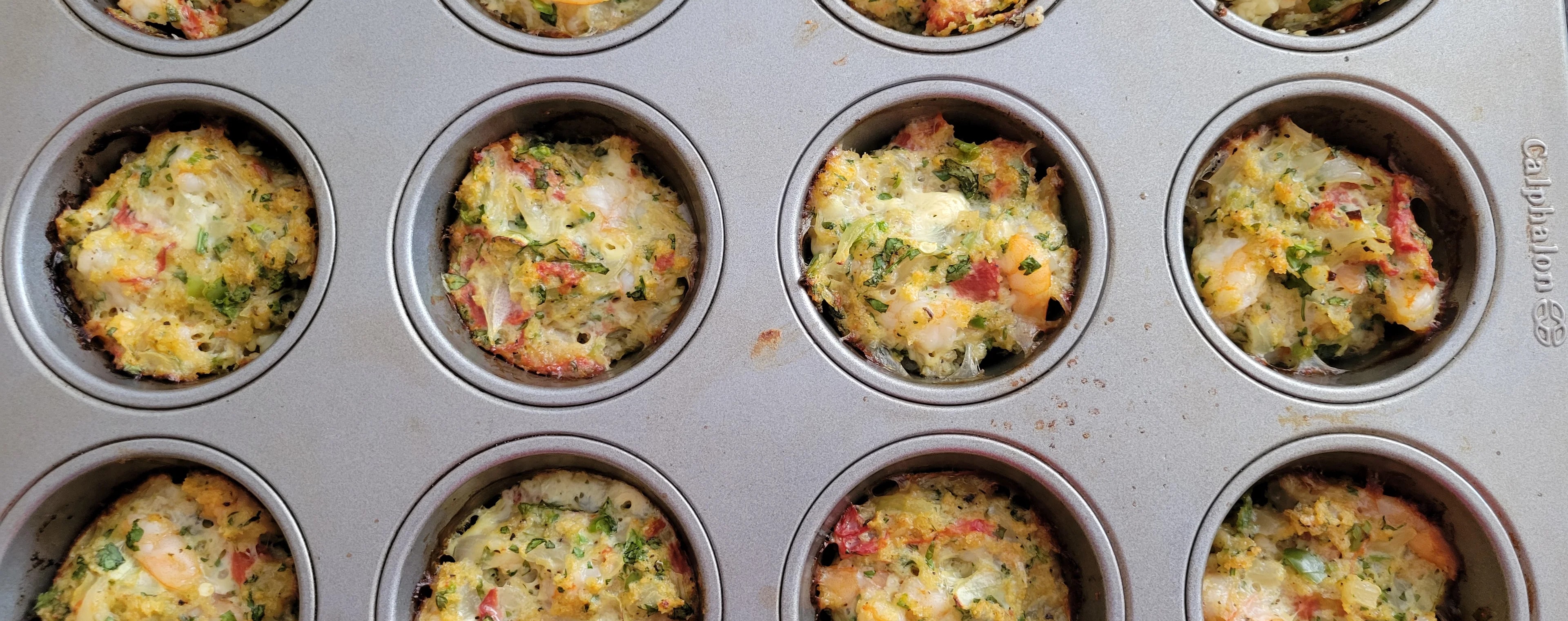
Living in the West, our ways of cooking have taken on a different direction. We pan-fry, air-fry, and bake our cutlets and kavabs. Deep-frying foods is loathed, as the cleanup after tends to be difficult, and our closed-in, centrally air-conditioned and heated homes are left with lingering aromas that are hard to get rid of. Newer alternatives like baking the kavabs in large sheet pans can be comparatively hassle-free, since preparing, breading, and frying them individually are time-consuming, especially for home cooks.
Cutlace, kheemo, or kavab: Parsis are happiest when they have a table full of food to share and friends to gather, sit around with a drink, and laugh at something corny. Parsis celebrate life with their motto, "Eat, drink, and be merry." They may have a reason for every dish, but they also make every meal a celebration to appreciate. This is how we thrive.
Macchi na cutlace


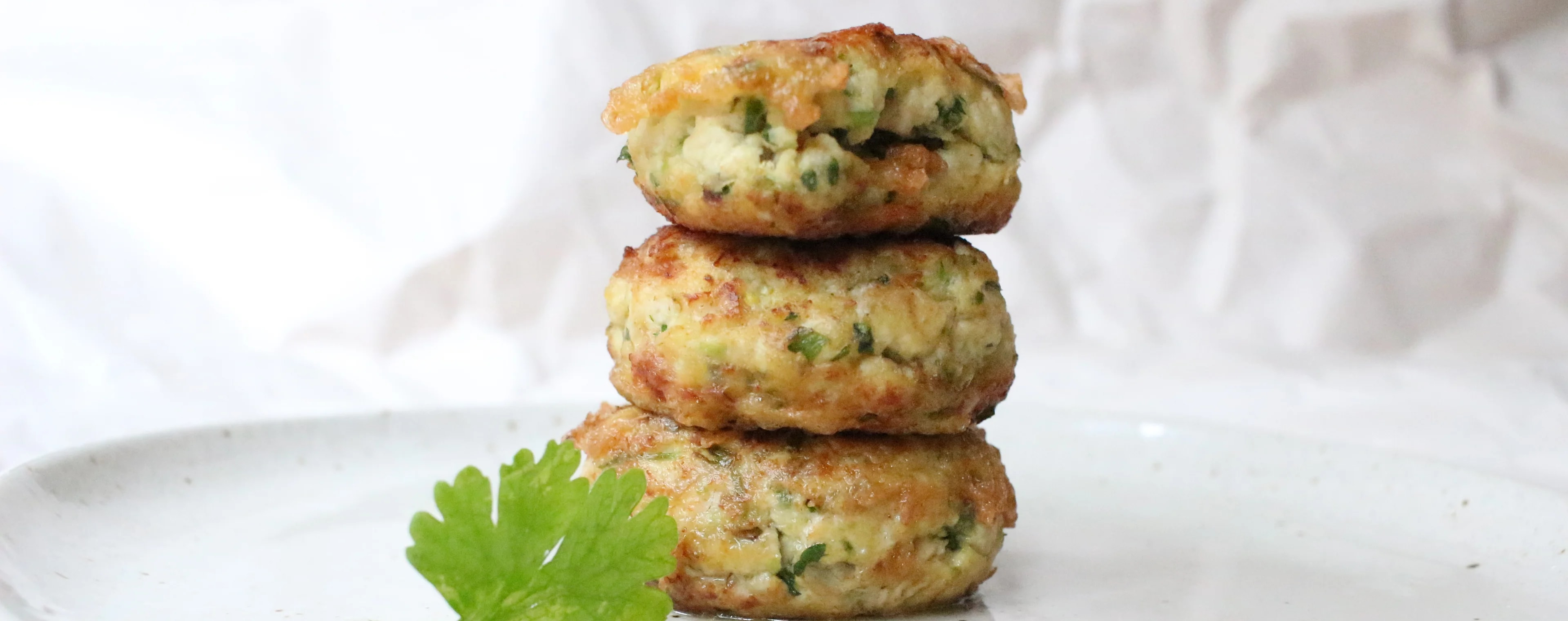
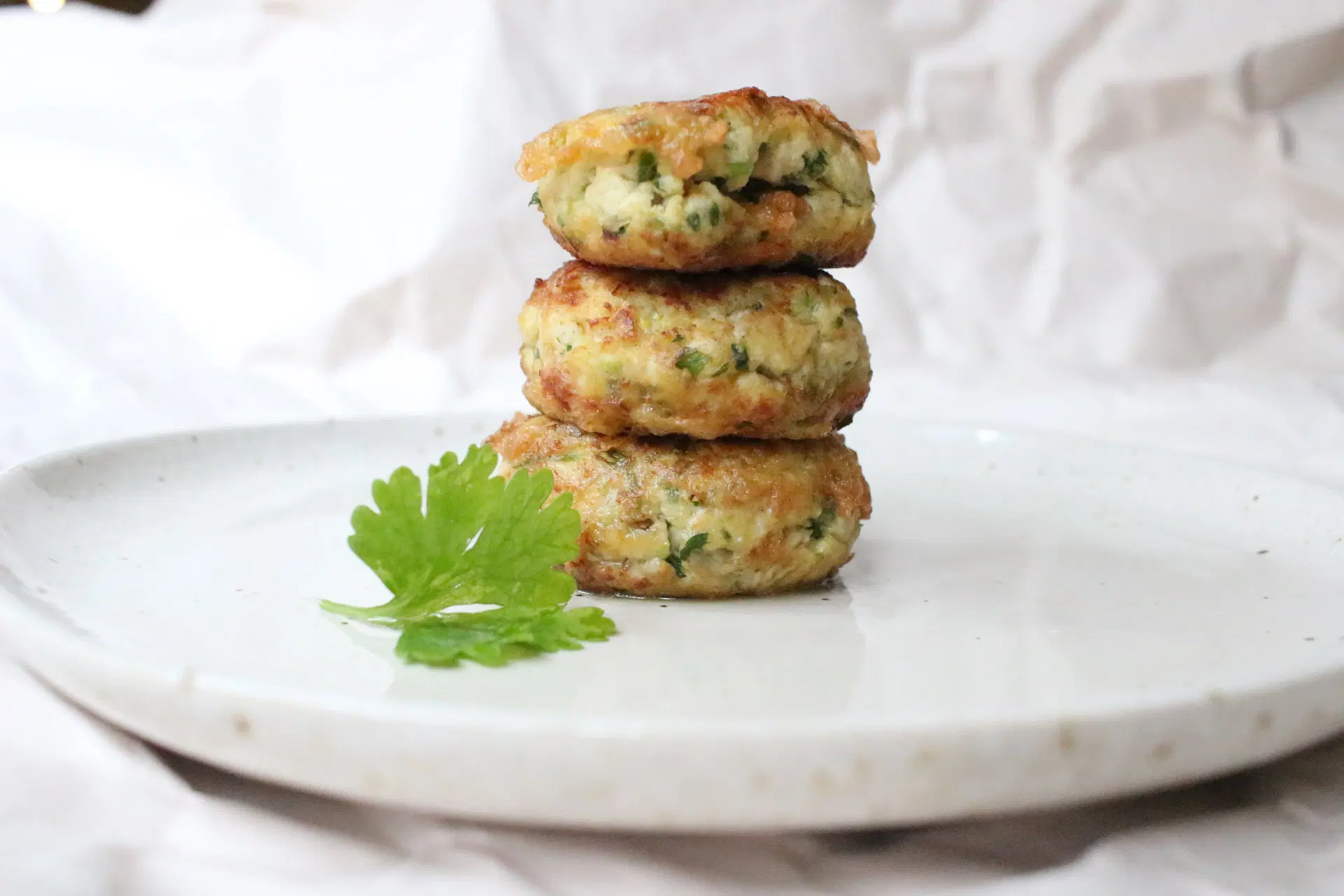
Kavabs, or fish cakes, are a simple method to use up leftover fish. They are ideal for a picnic, a snack, or as a salad accompaniment. Delicious as fish burgers, topped with onion, lettuce, and tomato, and served with a packet of crisps or fries. Not to forget a dollop of ketchup!
Ingredients
Preparing the fish
- •1.75 lb fish, poached in salted water
- •8 green chillies, finely chopped
- •1.5 cup tomatoes, deseeded, finely chopped
- •2 cup fresh corriander, finely chopped
- •1.5 cup fried onions, finely diced
- •1 tsp salt, or to taste
- •4 tbsp vinegar, fruit vinegar, to taste
- •1.5 tbsp sugar
- •3 eggs
- •3/4 cup bread crumbs, stale crumbled bread
- •3 tbsp oil


Preparation
In a pan boil water with salt. 8 cups water and 2 tbsp salt. Poach the fish for 5 minutes. Remove to a large mixing bowl, flake the fish. Cool.
Add the diced vegetables, salt, vinegar and sugar mix well. Add the eggs and then the breadcrumbs. The mixture should be moist but not fall apart when making a 'ball' with your hands. Chill in the refrigerator until firm.
Divide the mixture in 18 to 24 balls. Shape the fish cakes and refrigerate them until ready to fry.
Heat 3 tbsps of oil and pan fry the fish cakes for 3 minutes on each side, until a golden crust is formed. Do not overcrowd the pan.
Tips