
From my perspective, there is something unique about Parsis. I grew up in a home that welcomed outsiders; we had guests sit at our dinner table who we had never met before. It seemed very regular to me, like a mom-and-pop restaurant in my house. It was far more than any public eatery could provide, with a warm welcome and genuine hospitality. Growing up, all of this hospitality was a constant presence.
My father was big-hearted and generous to everyone. He was trustworthy and honest. My mother was his soul mate who was the reason for his successful life. She was the back office, the person who made the event happen.
He often called my mother an hour before a meal that he had invited some people to. She never ever asked, 'Who?' It was just the cue to set an extra table, sometimes a couple of them at a moment's notice. This sentiment, I believe, is Barkat.
It taught me that food is a ritual of angels. That our guest is to be respectfully honoured. When one opens their home to others, we invite prosperity, energy, and warmth that others bring in with them. Our elders considered homes with visitors to be blessed. I have taken that belief to heart and tried to live the same way.
With a passion for cooking and sharing our culinary history, I've discovered that Parsi food is much more than the ingredients. A difficult word to interpret literally, Barkat is abundance in its purest form, when more may be made from less. While it may sound whimsical, there is a lot of reality in focusing on what we have rather than what we are lacking. Zoroastrianism teaches us a great deal about the power of spreading joy in life, and of the responsibility we have to our neighbours. The idea of sharing what we have is reflected in how we cook and eat, best practiced around a dining table. The unspoken rule of knowing that there is always enough to go around when one is mindfully partaking in the food offered. This is Barkat.
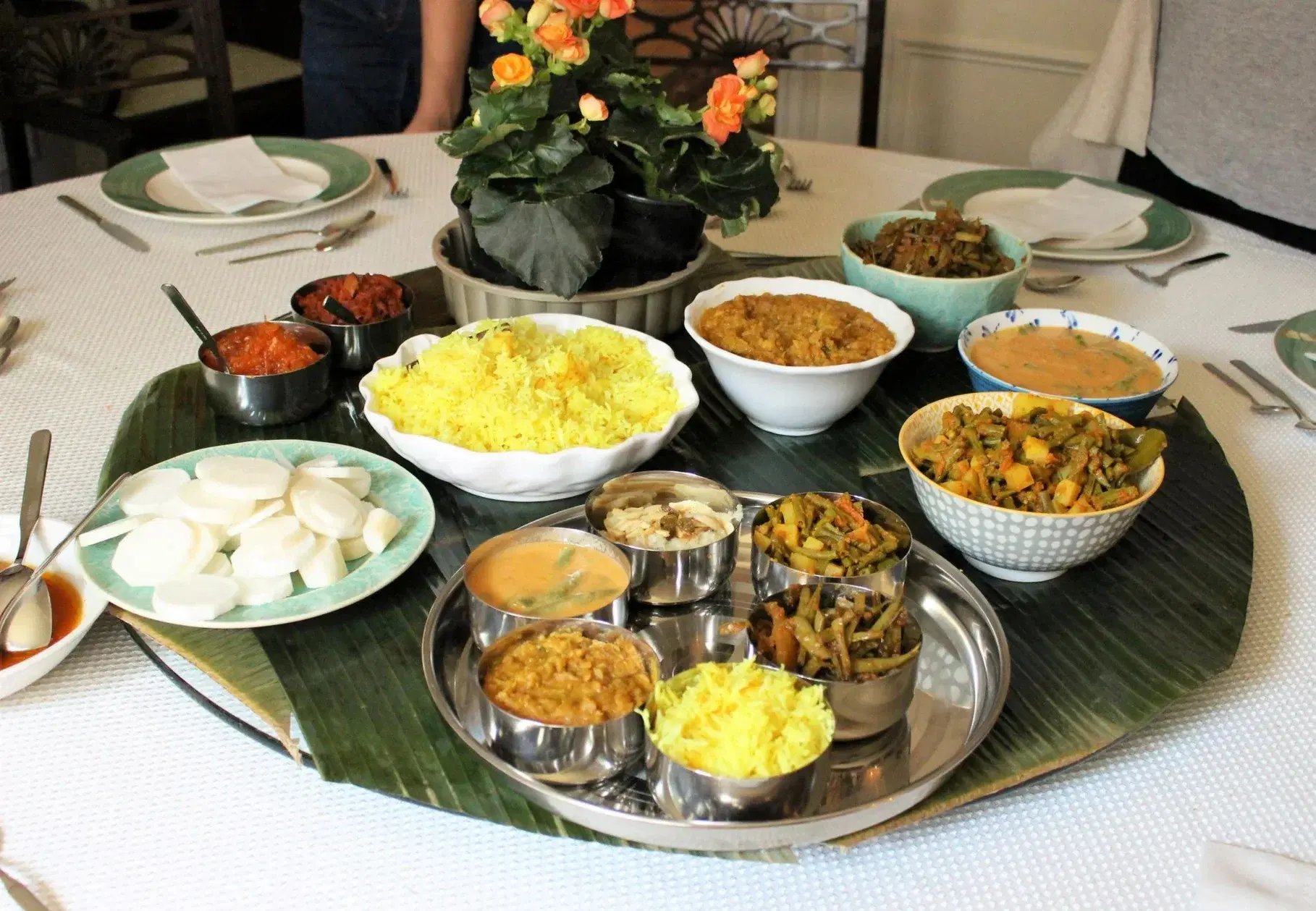
Parsi food heritage is also rich with symbolism. Practices like eating our meals off a banana leaf at community gatherings has significance. It reflects that all of us are equal, and that rich and poor people have the same humanity.
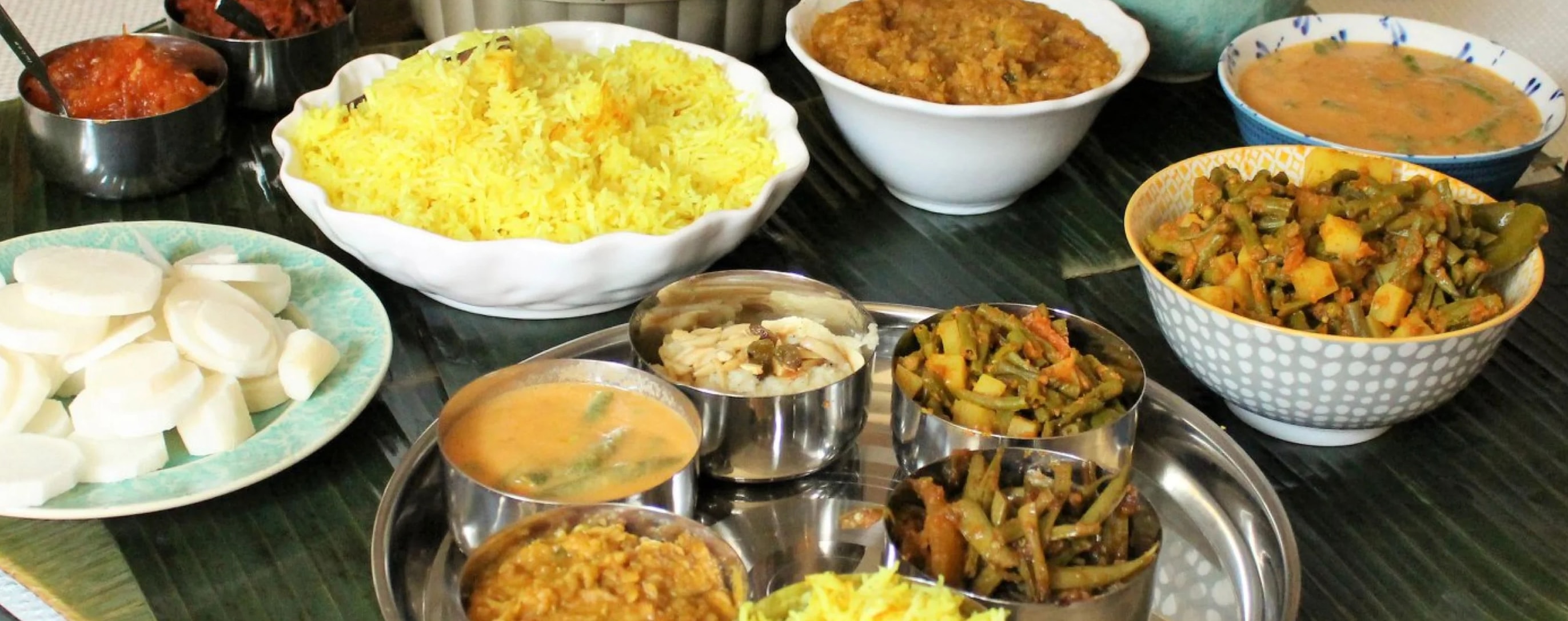
Having specific food for certain occasions is another display of symbolism. As in most cultures, weddings are milestones, and the feasts are important and plentiful. But the ingredients of our meals, even at our weddings, are commonplace. The days that precede the wedding itself serve simple foods to ease the burden on the family, as we consider it our duty to feed those traveling from far and wide. Foods such as Khichri and Daar Chawal (lentils and rice), allow a simplicity to this ritual, which embodies the concept of Barkat.
Instead of a dinner gong, Parsis have a particular phrase for inviting guests to eat when they congregate. Jamva chaloji, is a respectful and charming expression for inviting people to meet at the same table and dine together. It is a call to gather, to share and rekindle conversations, and to foster a sense of community belonging. Sharing a meal, which is at the center of all celebrations, represents so much more than the food itself. It is these practices that are strongly believed to help bond young and old, in the wish to pass on the spirit of Barkat to future generations.