


Cooking is a universal language, and cuisines are dialects. I like to believe that food and culture connect people. We are defined by how we cook, eat, and serve our meals. Traditions and rituals have endured over time, and centuries of culinary history honour our forefathers and keep their memories alive. Food exchanges have been spreading from east to west and vice versa for thousands of years, even if people have only recently begun to "physically" migrate in large numbers around the world. This juxtaposition makes us the luckiest generation, with access to the world's best culinary treasures. Excess and access are our wealth!
Travellers introduced new foods to the world. Wars also played a role in transporting crops from one location to another, as soldiers unintentionally brought seeds with them. Potatoes, tomatoes, and beans originated in Mesoamerica, South America, and Mexico and were brought to the Indian subcontinent. The same was true with spices and chiles. In spite of living through wars and migration, people belonging to ancient civilisations carry on with their food rituals and traditions after thousands of years, proud of their roots and heritage.
Historically, meals at our table have included ingredients cultivated in many regions of the world. Rice and wheat have been staples in Asia from time immemorial. The Japanese venerate and revere it because they hold the belief that each grain of rice contains seven gods, each representing the natural forces required to grow it. Parsis believe rice symbolises prosperity, abundance, and good fortune. They include it in their sagun ni thali, where rice is showered upon the bride and groom during the Ashirvad ceremony and other blessing rituals. Many cuisines use grains such as barley, wheat, maize, millet, and rice in their cooking. We all eat some type of pulse or bean in our diet. Vegetables were once scarce and farmed primarily for personal use due to their short shelf life, lack of refrigeration, and transportation. Because vegetables are a perishable commodity, cultivating them was never economically viable. It was originally regarded as a food for the wealthy, as the poor lacked the land and space to cultivate their own. Speedier trade has made exports and imports readily available, which in turn makes produce more accessible.

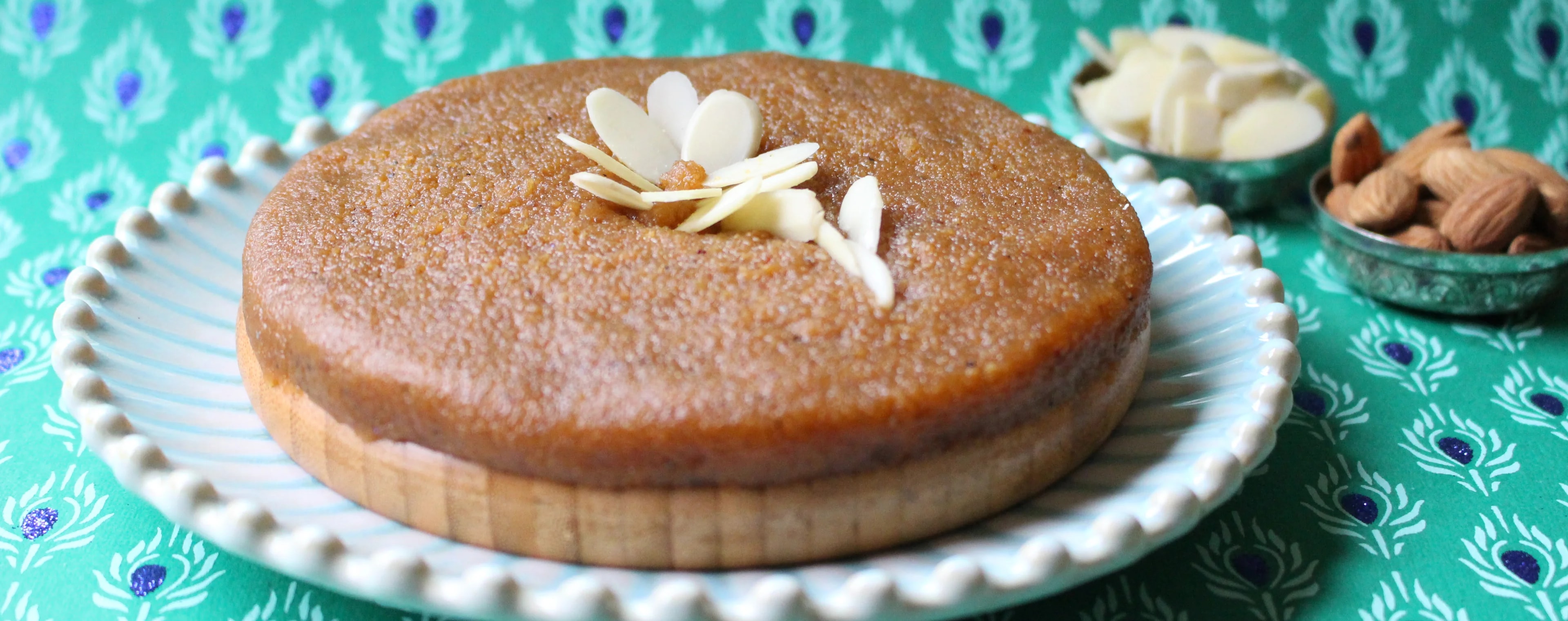
Another thread in the enormous food tapestry that still binds our world together is halwa, which originated in ancient Persia and the Arabian Peninsula and travelled farther to other regions, like Africa and the Levant; it has become a symbol of celebration in many food cultures. It is given as an offering during prayers and for celebrations and religious festivals like Navroze, Diwali, and Eid. The names "halva", "halwa", "mitthu", and "mithai" are all connected. And as we migrate and live in other parts of the world, we take our halvas with us. Millions of people from these very regions have relocated to parts of Europe and North America, where you can easily find the tastiest halvas on the streets and in their houses.

Aside from being a sweet or dessert, halva serves as a symbol of generosity, richness, abundance, and sharing; it can be humble or lavish, and it is for everyone to enjoy. Simple ingredients such as lentils, bottle gourd, coconuts, carrots, and milk can be made more delicious by the addition of almonds, walnuts, and pistachios, as well as dried fruits such as dates and apricots. To make them even better, add saffron, rose water, and cardamom. Cooking with oil, ghee, and brown butter and sweetening with coconut, jaggery, honey, and sugar provide further options. The number of combinations is limitless. These ancient foods that were once regarded as culturally significant only in the Levant, Middle Eastern, Indian and Persian regions are essentially carving themselves a niche in the West.
While human hands entwine around foods, bonding us with love and cherished memories and special moments, remember the mother, father, aunt, or grandparent who patiently cooked for you, pouring love and soul into each dish prepared with grace and perhaps a tear as they fed us all, keeping our spirits alive and our hearts beating. Let us continue to connect and bond over nature's beautiful bounty!
Parsi trivia: Halwo chey? It is a term of endearment we usually use to describe our frustration with a challenging task that the other person assumes to be easy and taken for granted.
