
“Are you heading to the rendezvous?”
This is a question several of my living history friends ask one another as the months warm up. In this particular case, “rendezvous” means a fur trade or French & Indian War living history encampment or reenactment.
A few miles from my house, there has been archeological, documented proof that a spot on the Milwaukee River was a real rendezvous point in the 1600s and beyond for the French fur trappers and traders to meet with the local Fox and Sauk tribes as well as any other tribes nearby who wanted to trade their furs.
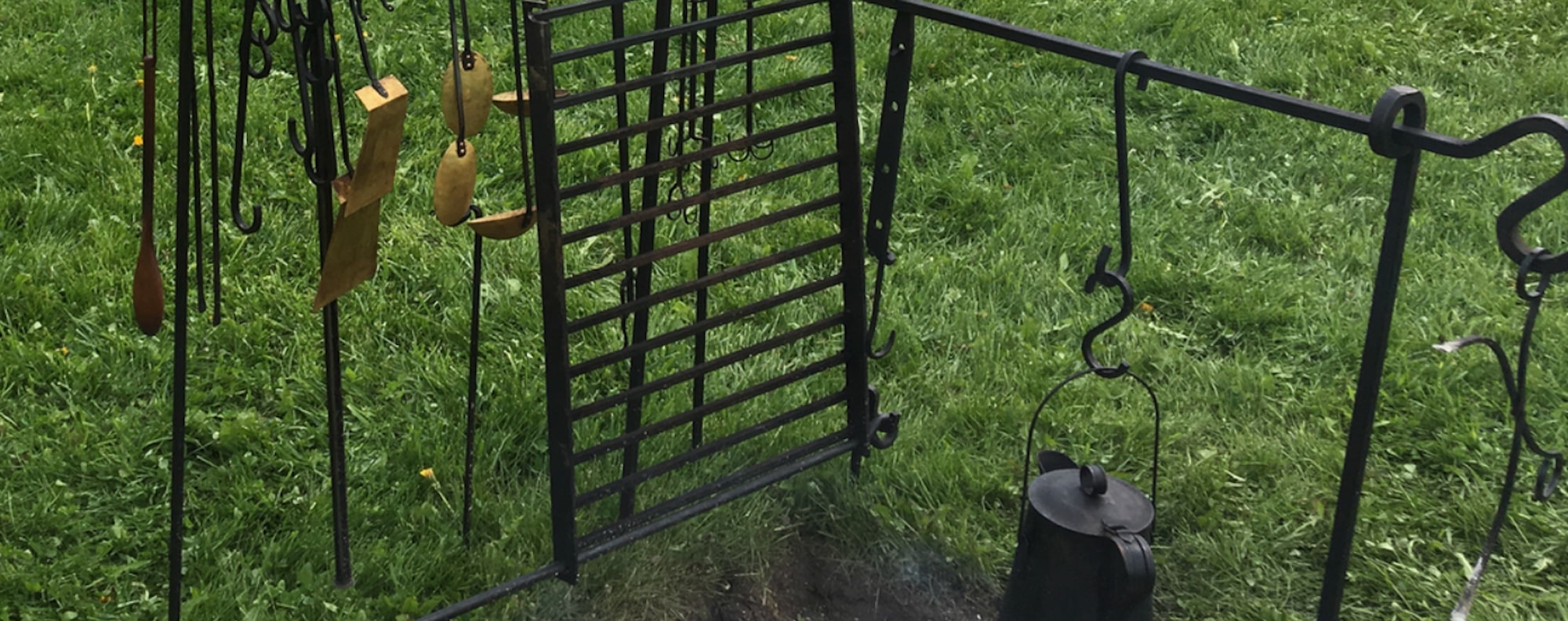
For many years, until recently, we have had a fur trade rendezvous or “rondy” on the exact ground. People dress in buckskin and furs, mocassins and petticoats, and live like it’s 1824. We sleep in canvas tents, share knowledge of trades and militias to visiting public, and cook over open firepits.
I’ve done this more times than I can count. And yes, I did it all in a corset.
That’s perhaps the biggest misconception of corsets for women in history. I’ve read many historical fiction books where corsets are treated like a straight jacket or a curse, something that causes fainting in damsels or pain on a woman’s skin.
So I’m here to set the record straight. A woman can ride a horse, chop wood, haul water, and yes, cook, in a properly fitted corset. They are actually more comfortable than today’s bras and serve a purpose to help with the weight of several petticoats and overskirts, which can otherwise get extremely heavy on a person’s hips.
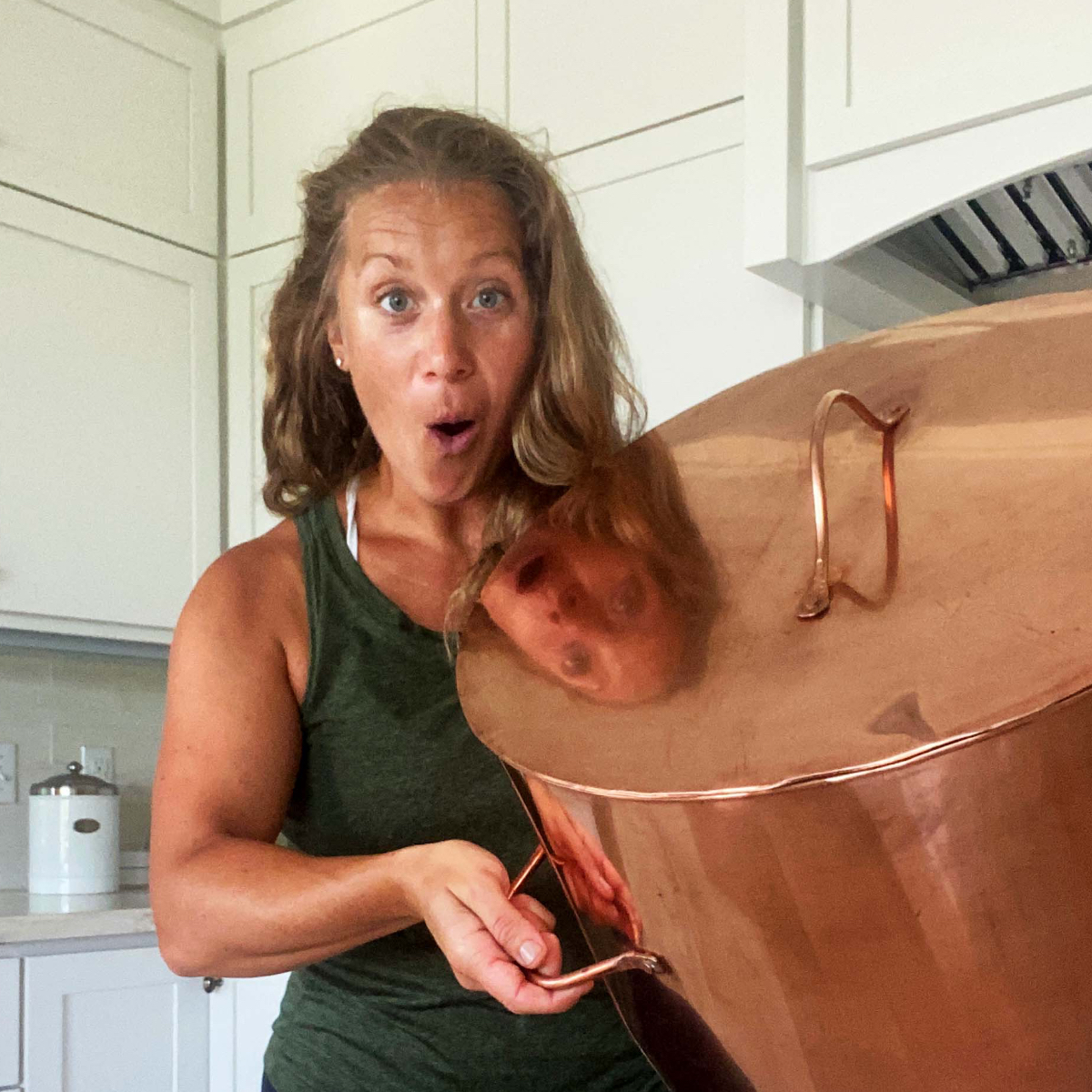
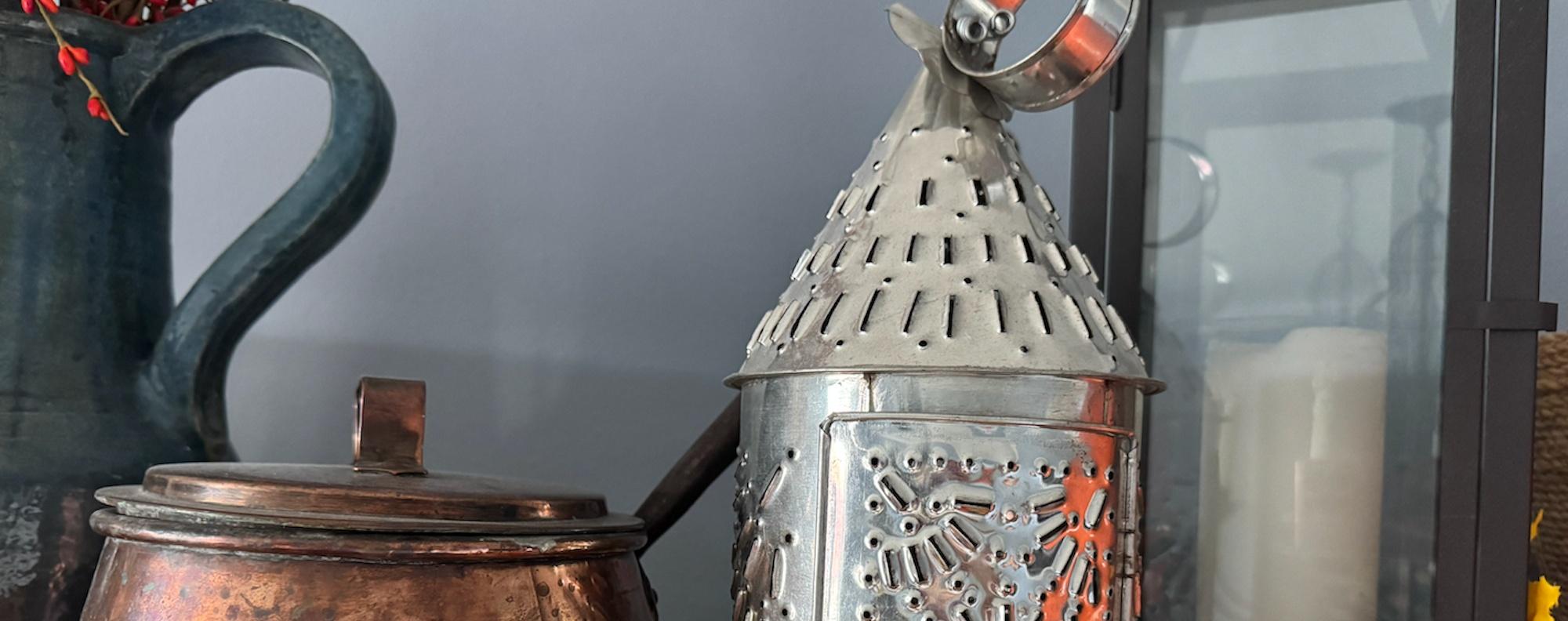
Cooking over a fire is one of the things I do the most when I’m at a rendezvous, in between discussing the traditional tinsmith and coppersmith trade to passerby who have questions about the tools sitting out on the bench. This means lots of bending and moving heavy cast iron pots, or crouching by the edge of an open fire. It’s easy to do in a corset. I promise!
One of the main things we cook over a fire during a rondy is coffee. This is on the fire the moment anyone wakes up, usually before the sun is even up. Coffee pots are usually made of tin plate, though some of us have copper. The difference between a coffee pot and a tea kettle in the 1700s and early 1800s was that coffee pots have the spout right up high along the lip of the pot, and tea kettles have the spout much lower toward the base of the body. There’s a reason for this!
We don’t always make coffee the ‘old fashioned’ way, but we all know how to do it, which is what I’m going to share here, because I love preserving history!
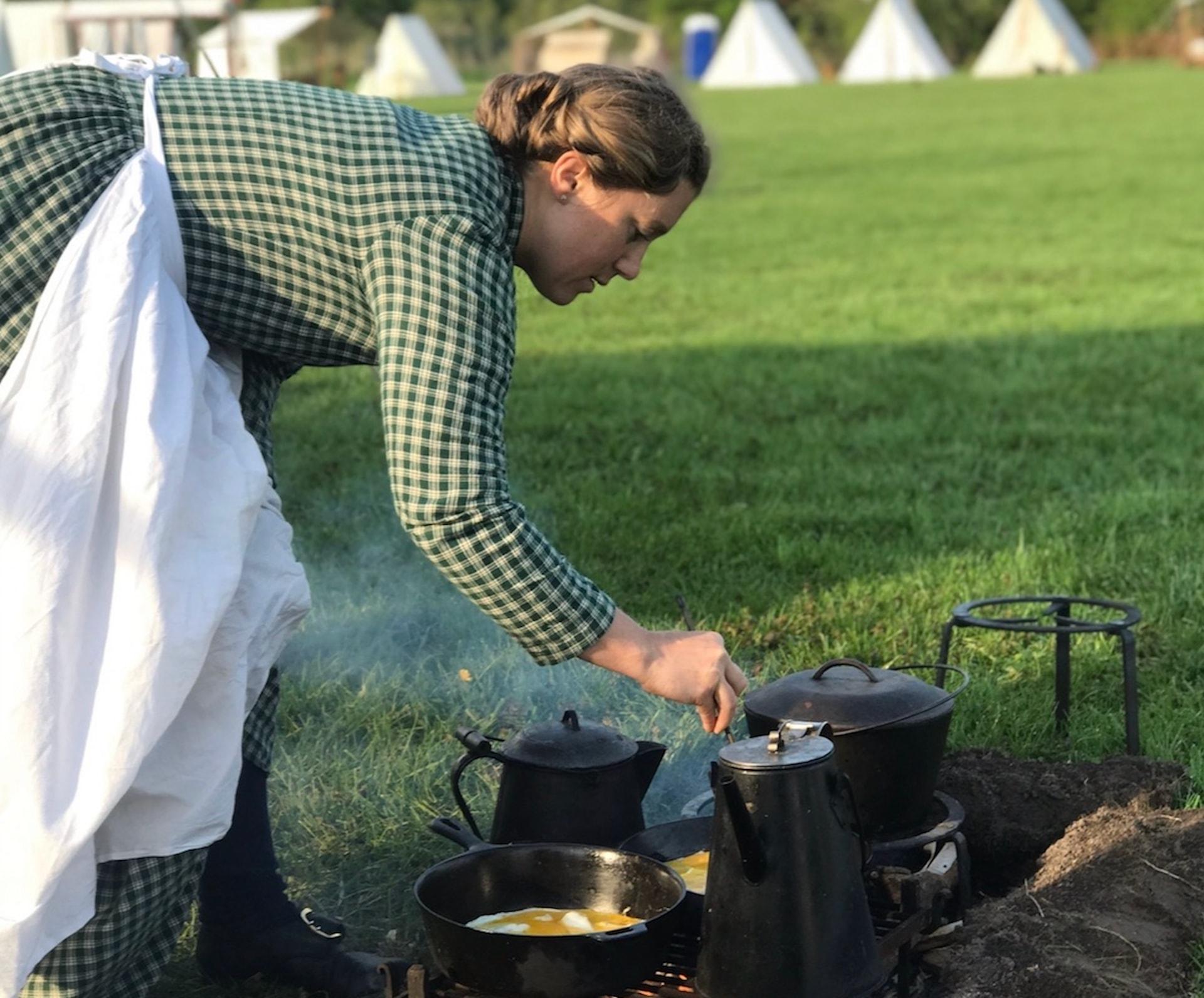
First, take whole beans and grind them by hand in a coffee grinder. Pour the grounds into a coffee pot along with water. Set the pot over the fire to come to a boil. Once boiling, let it boil for a few minutes.
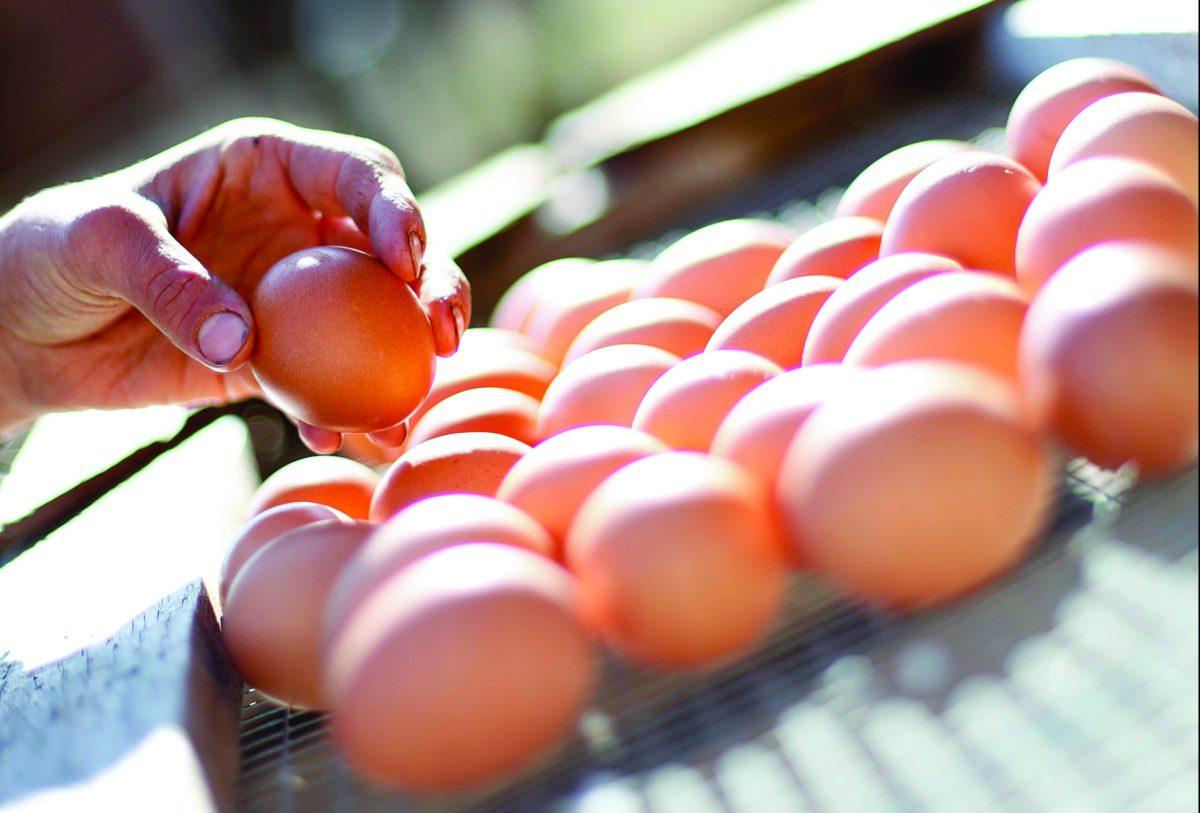
To serve, remove from the heat and toss in a few eggshells. Yup. You heard me right. Egg shells. These will force the grounds floating around in the water to fall to the bottom of the pot. Fish the shells out and pour! Now you can see why you want the spout toward the top of the coffee pot.
Another option, if you don’t have eggshells, is to put some cold water in right after you remove the coffee from the heat. This can end up cooling and diluting the coffee, but it’s another option.
So, now you know how to make coffee like they did in 1799! And, you know it’s possible to do so in a corset, too.