


“Pumpkin,” “squash,” and “gourd” are everyday names, not tidy botanical categories.
They all belong to the cucurbit family, along with cucumbers, melons, and zucchini. Their family relationships are complicated, but choosing one is actually pretty simple: decide whether you want to carve it, cook it, decorate with it—or all three.
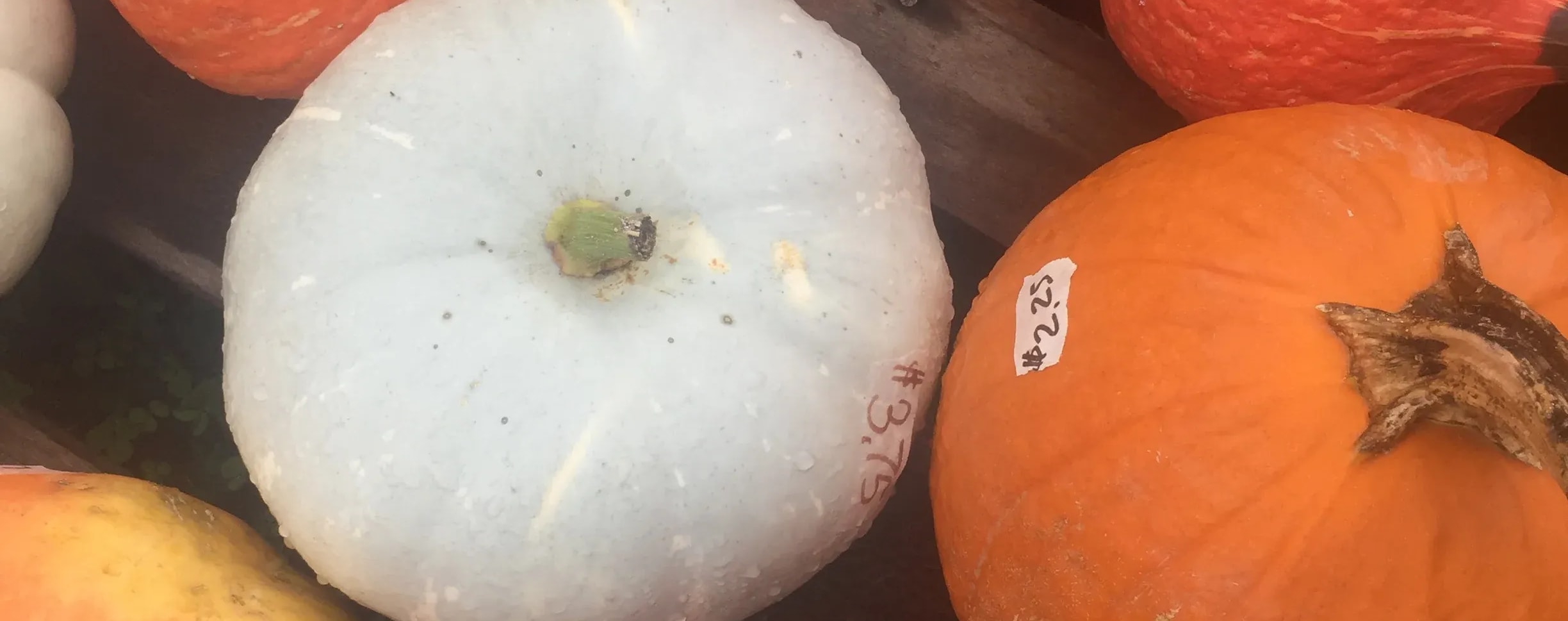
Walk through an autumn farmers market or browse a seed catalog and you’ll quickly discover a plethora of pumpkins. You'll find traditional round orange varieties, but also snowy white, blue-gray, deep green, striped, speckled, warty, flat-as-a-wheel, or wedge-shaped gourds. Then there are the names: Cinderella, Fairytale, Blue Doll, Porcelain Doll, Long Island Cheese, One Too Many, Speckled Hound, Jack Be Little, Lunch Lady, and Galeux d’Eysines—which looks as though someone covered it with shells.
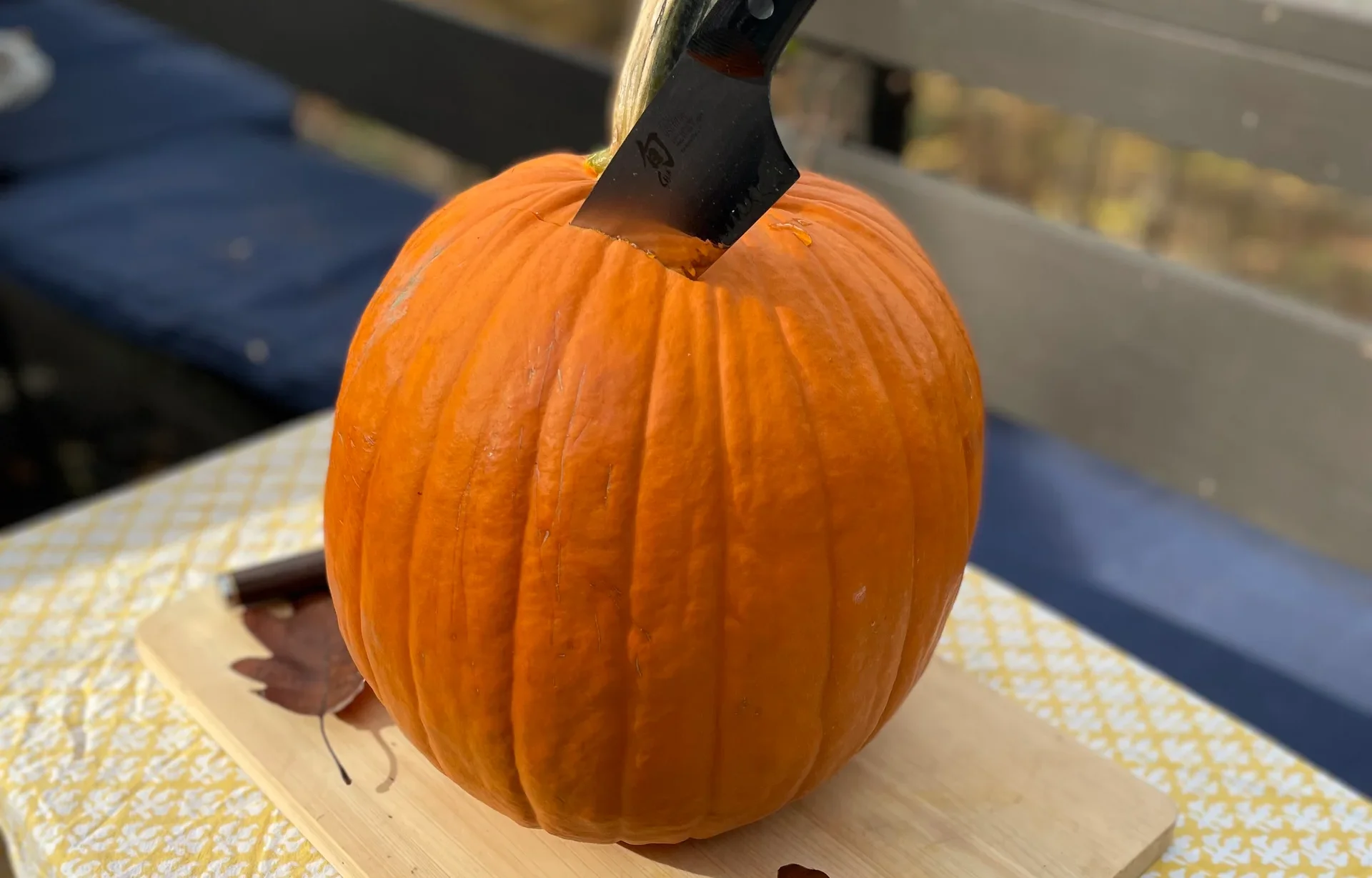
Jack-o’-lantern pumpkins are the show-offs of the pumpkin patch. Varieties such as Howden, Connecticut Field, and Racer were bred to be large, bright orange, fairly smooth, and easy to carve. Their roomy interiors and thinner walls make scooping and cutting easier. They are edible, but their flesh tends to be watery, stringy, and mild. You can roast it for soup or purée, but if you want pie, another pumpkin will give you much better flavor and texture.
Pie pumpkins—sometimes called sugar or sweet pumpkins—are the kitchen workhorses.
They are usually smaller, heavier for their size, and filled with dense, smooth, naturally sweeter flesh. Sugar Pie, New England Pie, Winter Luxury, and Small Sugar are excellent choices for pies, breads, muffins, custards, soups, and pumpkin butter. Roast them until tender, then scoop out the flesh and purée it. You can also clean, season, and roast their seeds for a snack.
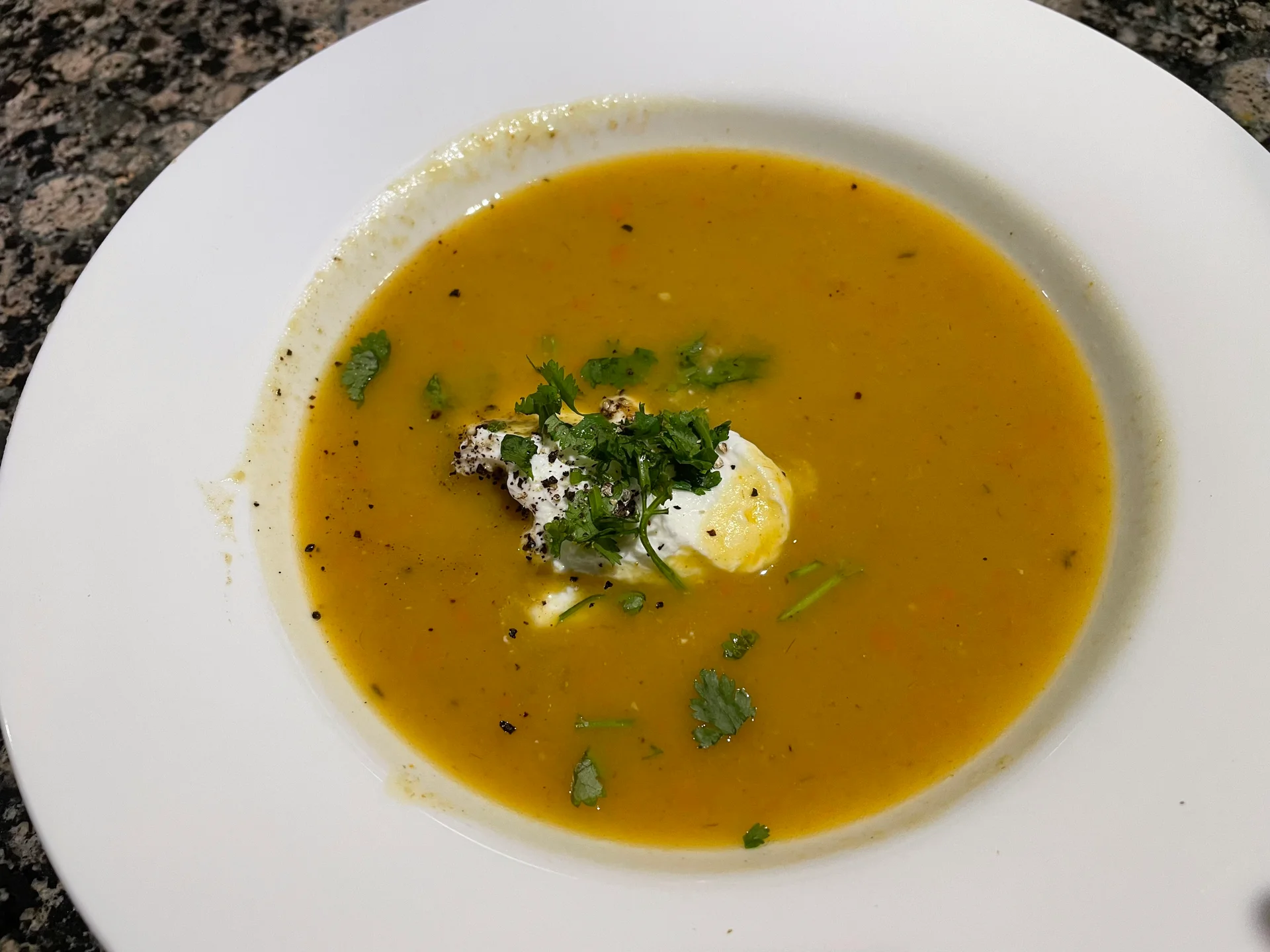
Some beautiful pumpkins can move from the porch to the dinner table.
Cinderella, properly known as Rouge Vif d’Étampes, is a flattened, deeply ribbed French variety with glowing red-orange skin. Fairytale, or Musquée de Provence, starts green and ripens to a rich brown-orange. Both make gorgeous decorations and have flavorful flesh suited to soups, roasting, and baking.
Long Island Cheese is pale tan and shaped like an old-fashioned wheel of cheese. Despite the name, it tastes like pumpkin, not cheddar, and has long been valued for pies. Jarrahdale and Blue Doll have blue-gray skin and dense orange flesh, making them especially striking in autumn displays. Galeux d’Eysines, with its salmon-colored skin and corky “peanut” bumps, may look purely ornamental, but it is also edible and works especially well in soups and purées.
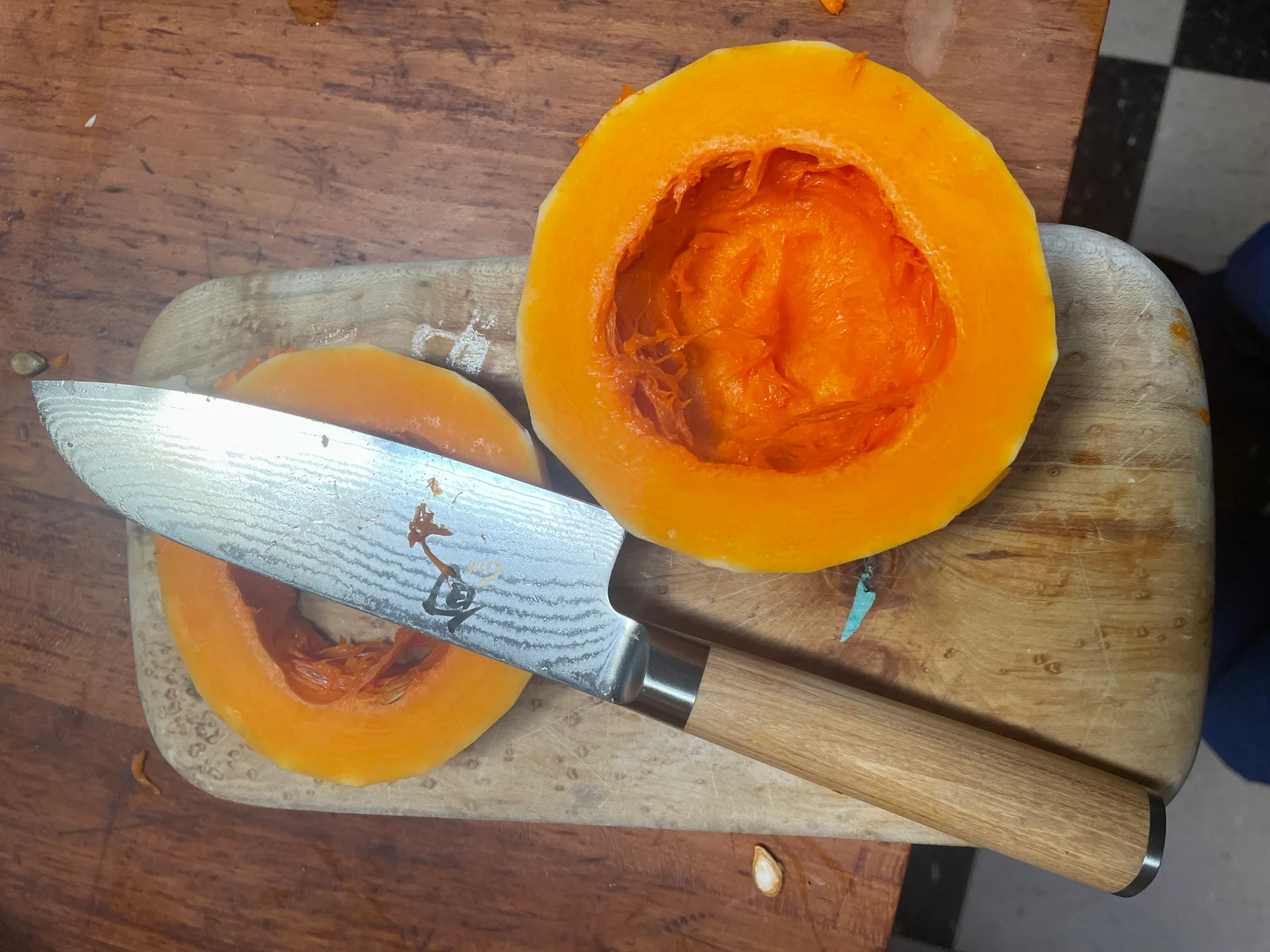
Some of the best “pumpkins” for cooking are sold as winter squash.
Butternut is smooth, sweet, and easy to peel, making it ideal for roasting, soups, curries, and pasta fillings. Kabocha has dry, rich flesh that is wonderful roasted or simmered in stews. Buttercup is excellent for mashing and baking, while Delicata has thin, edible skin and is perfect for slicing into rings and roasting. Hubbard squash can grow enormous, but its dense flesh is great for pies, soups, and freezing.
Miniature pumpkins such as Jack Be Little and Baby Boo are popular for table arrangements, place settings, and wreaths. Many mini pumpkins are technically edible, but they contain very little flesh. Their best culinary trick is to serve as individual bowls: cut off the tops, scoop out the seeds, roast them, and fill them with soup, stuffing, or custard.
True ornamental gourds are a different story.
The little striped, winged, spoon-shaped, and heavily warty gourds sold in decorative mixes are grown for their tough skins, curious shapes, and ability to dry—not for eating. They are generally hard, bitter, and lacking in usable flesh. They are great as bowls, baskets, garlands, and centerpieces, but leave them out of the soup pot.
A few plants called gourds do have both culinary and practical uses. Young luffa gourds can be cooked much like summer squash, but when fully mature, their interiors become the familiar fibrous bath sponges. You can eat bottle gourds when young, while mature, dried fruits have been used for centuries as containers, dippers, birdhouses, and musical instruments. Only eat these specialty gourds when you know exactly what they are and how they are traditionally prepared. Never eat any pumpkin, squash, or gourd that tastes unusually bitter; intense bitterness can indicate high levels of naturally occurring compounds called cucurbitacins.
Pumpkins and gourds originated in the Americas and have been cultivated for thousands of years. Indigenous peoples grew squash as an important food crop long before Europeans arrived. Over generations, farmers and gardeners selected them for thicker flesh, sweeter flavor, stronger stems, unusual colors, easier carving, and even giant size.
Sources
University of Minnesota Extension: Growing Pumpkins and Winter Squash in Home Gardens
University of Minnesota Extension: Autumn Is Pumpkin (and Winter Squash) Time
University of Illinois Extension: How to Pick the Perfect Pumpkin
University of Illinois Extension: Pumpkin Recipes and Choosing a Cooking Pumpkin
North Carolina State Extension: Commercial Luffa Sponge Gourd Production

