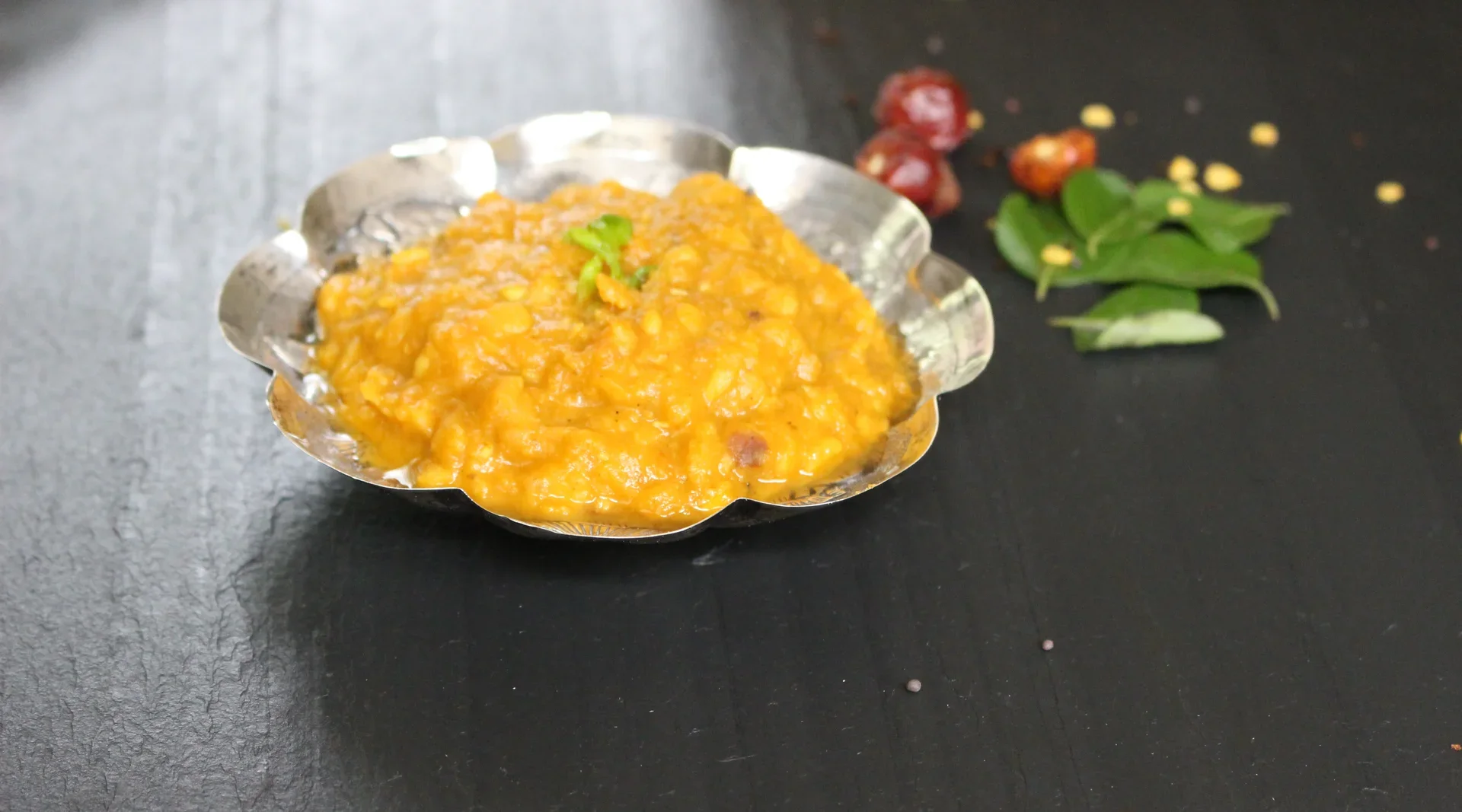


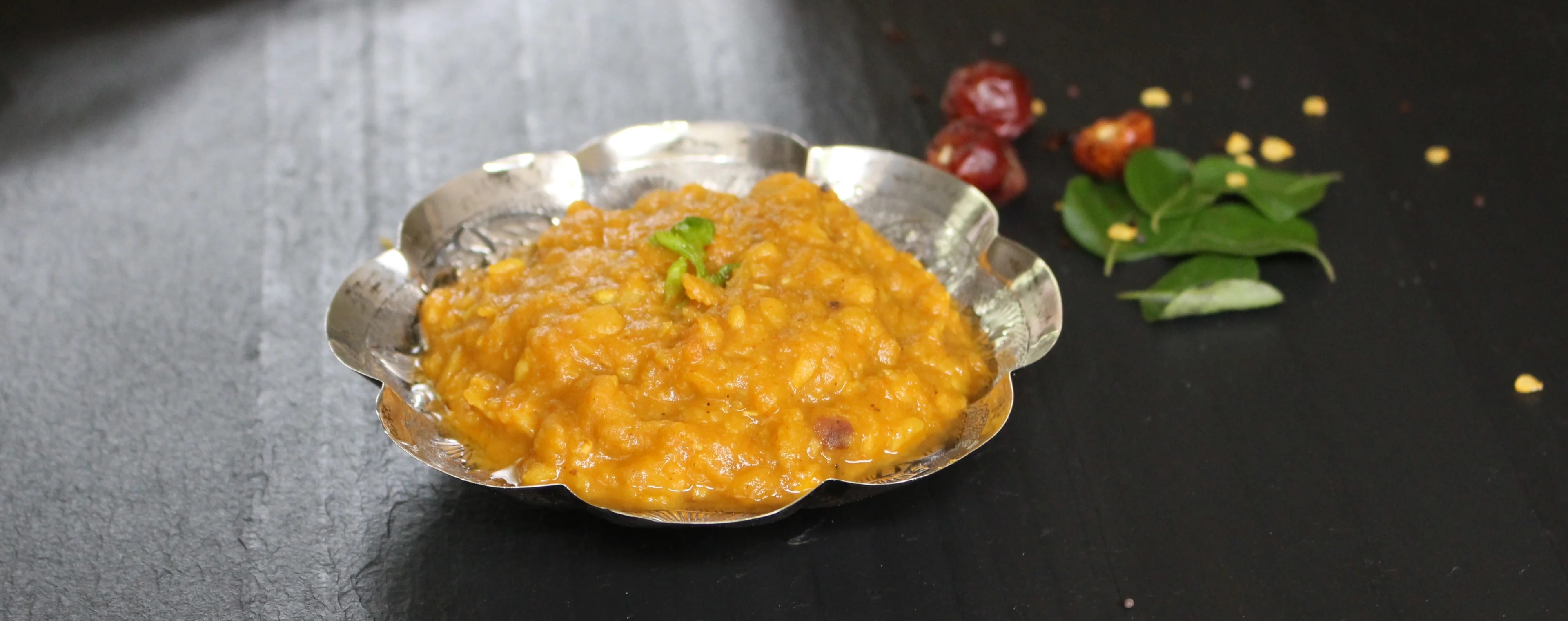


Daar, a Parsi food staple
According to food historians, Parsis incorporated lentils into their cuisine in ancient Persia, where lentils and beans were a preserved food source and easily accessible. Their use persisted after they landed in Gujarat, where fresh vegetables were more readily available. These conserved forms of sustenance remained a staple in Parsi cooking, reflecting both their historical diet and the new availability of fresh produce. A notable example is dhansak, a cauldron of meat, veggies, and lentils that combines Persian and Indian culinary traditions.
Lentils or beans, referred to as 'daar' or 'kathore' in various dialects, are all tasty. We only need to cook them according to our preferences and palates. These can act like sponges, absorbing whatever we put into the pot.
We love our daars, whether they are masoor (red and black), tuar (oily and plain), mung and channa, or the acquired taste vaal (slightly bitter), which we get rid of by adding coconut and jaggery. However, the only bean we use in our everyday cooking is the chora or black-eyed bean. These dried forms of nourishment remained a staple in Parsi cooking, reflecting both their traditional diet and the new availability of fresh food. With or without meat It is also common, while cooking daars, to add a generous dollop of butter, replacing the ghee that our Gujarati neighbours taught us to use. Some of us habitually continue to add a pickled lemon, common in Persian cuisine, which our food gets its roots from.
It's often assumed that Parsi cuisine is heavily non-vegetarian, but this isn't true. Parsi cooking uses a wide range of vegetables due to its adopted Indian culinary influences. Vegetables were scarce in ancient Persia and had a short growing season; therefore, the Parsis ate daars (lentils) and beans as a staple that could be dried and preserved throughout the year. After relocating to Gujarat, our eating habits shifted, having access to an abundance of fresh vegetables all year round.
Parsi food radiates and reflects simplicity. It thrives on family-style meals that can serve many people. Until the 1970s, most families lived as extended families, and many ate together even if they had their homes. It was important to always have enough to share, and while bread and rotlis were fillers, daar was essential for meals that provided adequate protein while being reasonably priced and affordable to all. The variety of daars compensated for the monotony of the meals. Daar is typically served with rice and patiyo, as well as fried fish or cutlets, and often only a pickle. The possibilities for creativity are limitless. Favourites include dhun dar, dhansak, and masoor ma gos. Other choices include masala ni daar, vaal, and mung.
Other Indian cultures view daars as poor man's food and avoid offering them at weddings; Parsis always serve daar as an accompaniment to their palau-daar, which is considered auspicious and a polite way of being inclusive.