


Most of us gravitate toward our positive childhood memories, customs, and ways of life as we get older. And we long for our elders who are no longer with us, holding them nearer to our hearts. The aroma of spices fills the air in our kitchen as the dishes simmer, each one prepared with love and tradition. Families gather around the table, sharing stories and laughter, making the meal not just about sustenance but also about connection and heritage.
Eating ma gos (with meat) at dinner every day is a popular practice; a different seasonal vegetable is cooked together with meat, and this one-pot dish is served with fresh warm rotlis. Ma gos is a customary way to cook and eat in most Parsi homes. However, as a young adult I do remember resisting the concept as it appeared dull and uninteresting. My argument led to a change in the cooking process, as I preferred certain vegetables to be crisper over mushy ones. In my own home, I decided not to continue with this practice until a decade ago when I discovered how simple it was to adapt the technique to suit my own preferences. I knew then that not only had we missed out on eating many of the vegetables like bottle gourd, eggplant, and okra, but my young self had completely overlooked the reason behind this ingenious way of making family meals, which is both monetarily and nutritionally clever. I guess I was incorrect to judge it harshly and be stubborn enough to keep it out of my kitchen for the longest time. Now that I’ve reintroduced it to my family, there is a newfound love for relishing them.
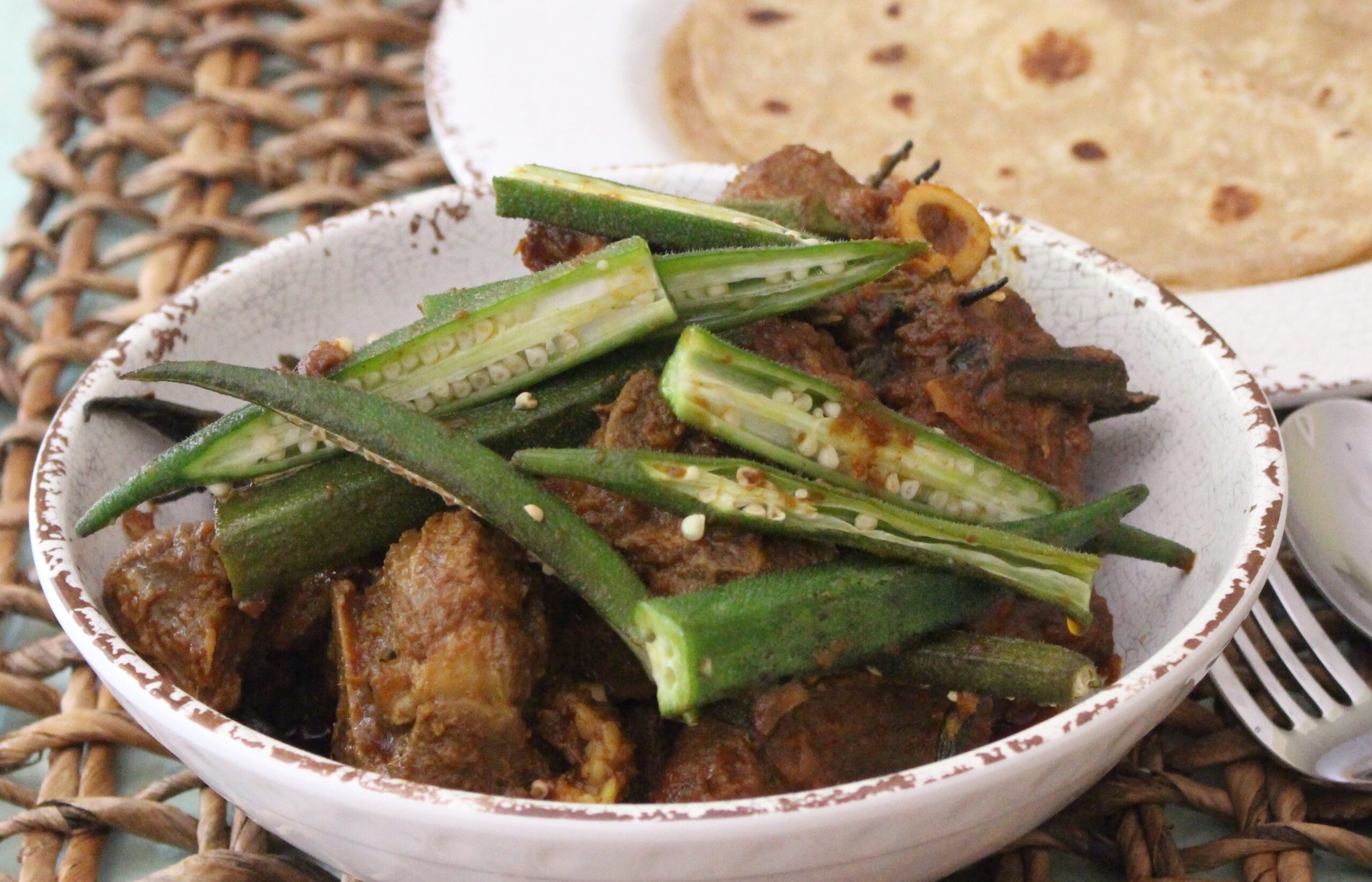
The concept of ma gos originates from the Persians, who slow-cooked their meat with warm spices, dried fruits, and nuts in fruit juice and stock or broth; these were thick, rich, hearty gravies served with mounds of rice. This is a tradition that has relied on one-pot cooking dating back centuries, long before it gained popularity on social media.
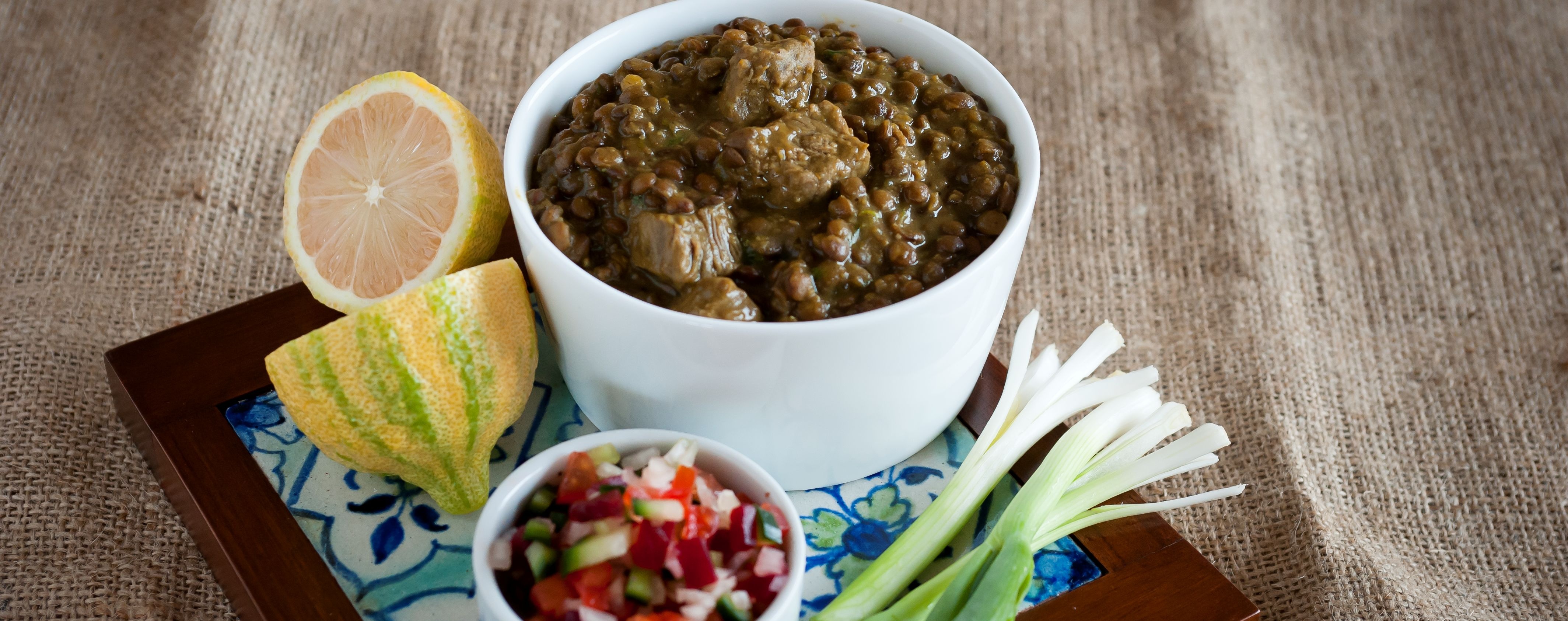
To simplify it, the general rule to follow is 1:2 – 1 part meat to 2 parts vegetable. It is also a dish that is often made with lentils besides seasonal vegetables and is served with crispy bread or fresh warmrotli. This familial style of slowly cooking your bone-in meat is typical of many cultures in the East and serves as a hearty evening meal. Tamota ma gos and masoor ma gos (brown lentils) are my favourites, but there are endlessly different kinds.
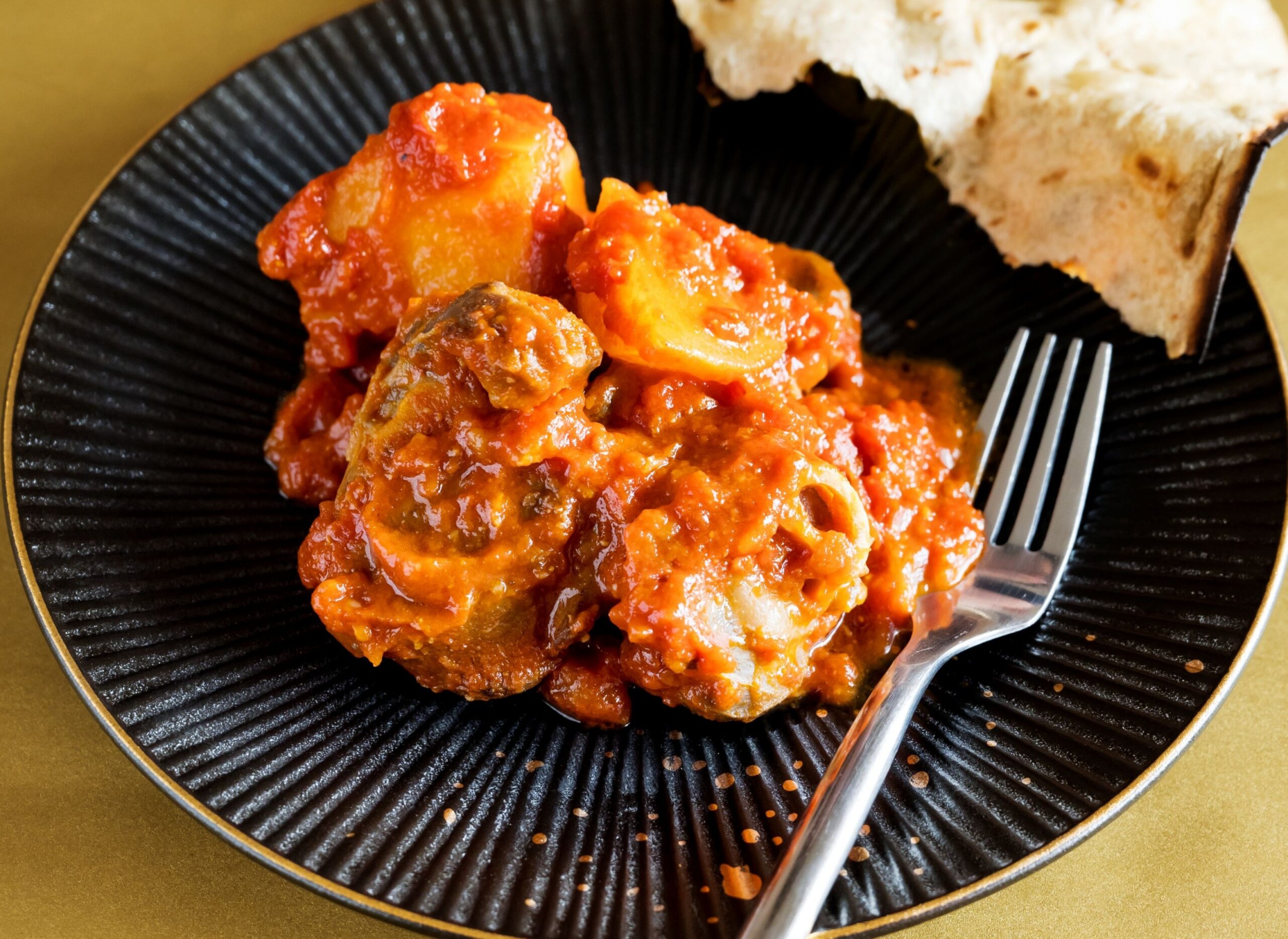
The recipe: Tamota Ma Gos
