

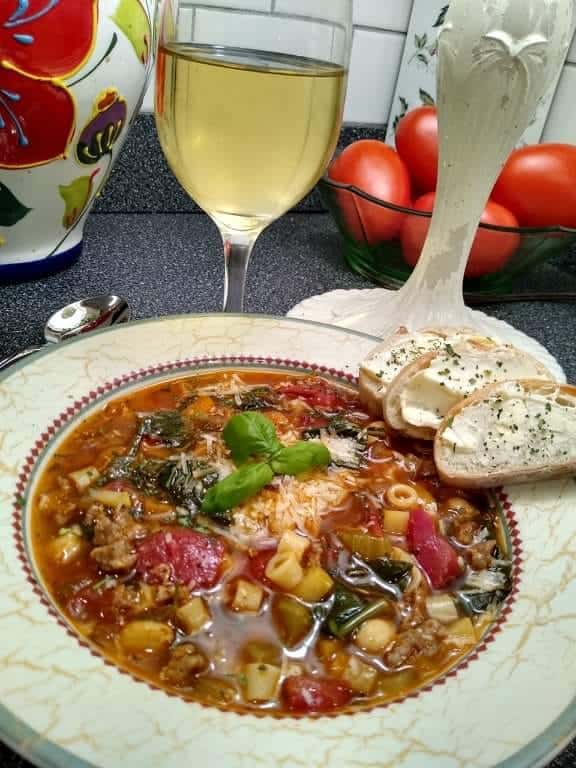
Minestrone soup is a dish that feels like a warm hug in a bowl.
Minestrone soup has its roots in Italy.
It started as a way for people to make the most of whatever vegetables they had on hand. The name “minestrone” comes from the Italian word minestra, meaning soup, but with a little extra heartiness—think “big soup.” It’s been around for centuries, evolving as a go-to meal for farmers and families who needed something filling, nutritious, and easy to throw together with seasonal ingredients. Like many traditional dishes, it’s more than just a recipe; it’s a connection to Italy’s agricultural past, a snapshot of changing season.
The beauty of minestrone is how it changes depending on where you are in Italy. In the north, you’ll find versions with potatoes and rice, perfect for cold days. Down south, it’s lighter, featuring tomatoes, zucchini, and pasta, giving it a more Mediterranean vibe. Some people toss in pancetta or use meat-based broths, while others keep it fully plant-based—especially during Lent or for those sticking to vegetarian diets.
Minestrone also fits perfectly into modern kitchens, whether you’re vegetarian, vegan, or just trying to clean out the fridge. You can swap pasta for rice, use gluten-free grains, or lean into what’s fresh at the farmers market. Spring versions might be packed with peas and asparagus, while winter bowls are heavier, featuring cabbage and root veggies. There’s always room to make it your own, which is why it’s been embraced far beyond Italy.
What’s great about minestrone is that it feels both nostalgic and practical. It’s not fancy or fussy—it’s a soup built from simple ingredients. Whether you serve it as a starter or a main dish, it’s all about comfort and making the most of what you have. It’s a little piece of Italy’s history in every spoonful, showing that good food doesn’t have to be complicated to be satisfying.
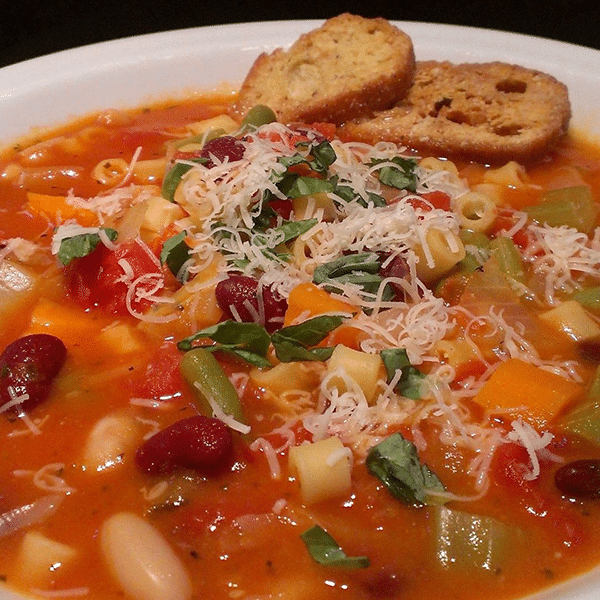
It’s a dish that really has no rules — part of what makes it so lovable.
The Cook’s Cook Facebook Community Forum Group has become a hub for minestrone lovers, with contributors sharing inventive bowls for every season. From classic Italian flavors to unexpected twists, these soups highlight just how adaptable and satisfying minestrone can be. Each post reflects the beauty of this dish—no two bowls are the same, and that’s exactly the point.
Here’s a look at nine standout contributions that capture the spirit of minestrone through the seasons:
- Here’s a taste of some of the community’s standout submissions, each bowl as unique as the person behind it:
- Autumn Minestrone by Philip Nicholas – A cozy soup featuring sweet onion, carrots, celery, diced tomatoes, napa cabbage, cannellini beans, kidney beans, ditalini pasta, and chicken broth, finished with extra virgin olive oil, garlic, oregano, basil, and Parmesan.
- Winter Minestrone by Bronna Shapiro – Packed with carrots, celery, onions, garlic, potatoes, Swiss chard, and a mix of spicy and mild Italian sausages, along with cannellini beans. Perfect for staying warm when it’s freezing outside.
- Autumn Minestrone Soup by Jennifer Nowicki – A seasonal classic that captures the flavors of fall with comforting, hearty ingredients.
- Winter Minestrone by Michel-Yves Scavennec – As the temperature drops, this soup is ready to step in with its rich flavors. A true winter warmer.
- Fresh Fruit Minestrone and Mascarpone Pear Sorbet by Fran Flint – A sweet twist on the classic, using summer fruits and paired with a refreshing mascarpone pear sorbet.
- Orzo-Based Kale Minestrone by Aruna Vasudevan – Aruna calls soups her “haven in a heartless world,” and this one fits the bill with orzo and kale bringing both comfort and depth.
- Summer Minestrone by Christina Rey – A light, garden-fresh soup filled with homegrown vegetables. Best of all, it’s freezable, making it a great option for quick summer meals.
- Stick-to-Your-Bones Minestrone by Michelle Somerville – This one’s all about big flavors, with pancetta and ham making it perfect for those cold, rainy days.
- Pearl Barley, Smoked Paprika, and Kale Minestrone by Caryn Scott – A hearty variation with smoky notes from paprika and the bite of pearl barley, making every spoonful satisfying.
These bowls are proof that minestrone is more than just soup—it’s a reflection of seasons, moods, and personal tastes. Whether you’re using garden vegetables, hearty grains, or even fruit, this dish is a reminder that there’s no wrong way to make minestrone.

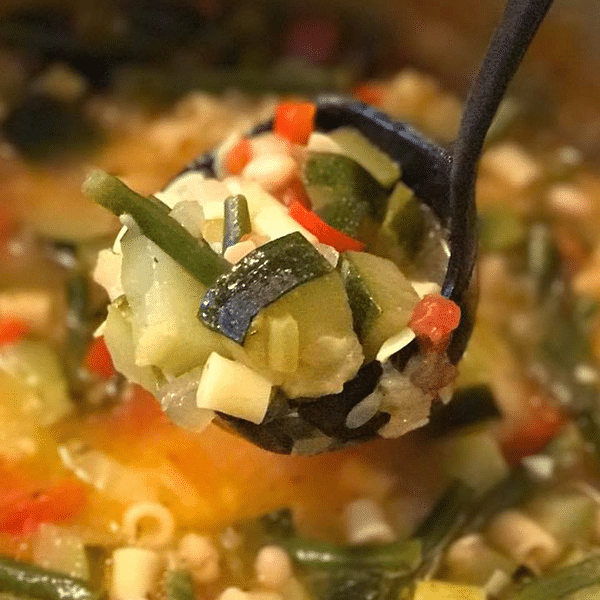
Summer Minestrone by Christina Rey
Minestrone encourages creativity, invites improvisation, and always finds a way to make the most of what’s on hand.
Minestrone with Sausage & Beans
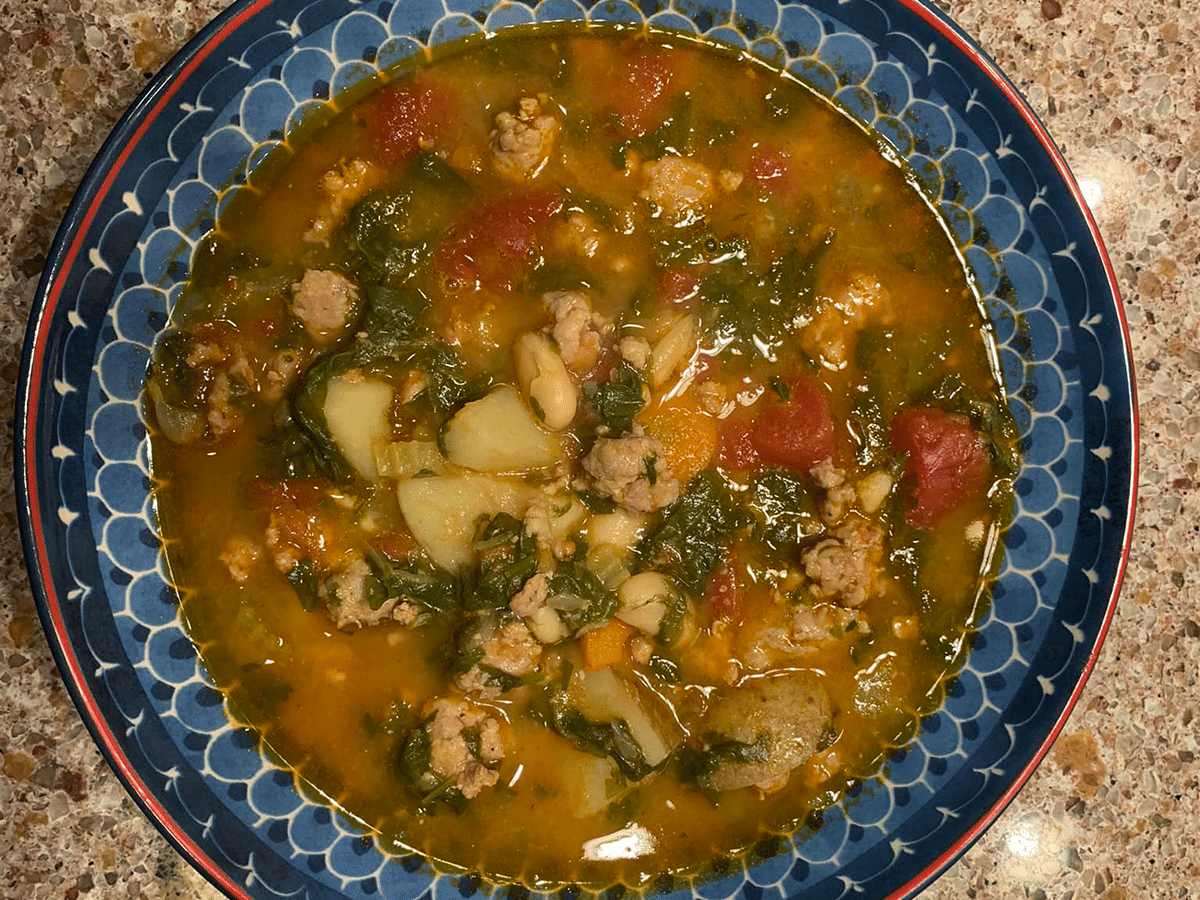
Some say the origins of this zuppa goes back to 30 CE. Many, as you might imagine many are the versions of this peasant dish, a mainstay of cucina povera. A minestre is a soup, the name derived from the verb, to serve — minestrare. The suffix –one, augments a simple minestre to a big, hearty soup, a minestrone. Like the difference between a tortellini and its big brother, a tortelloni. The major categories are minestrone a crudo and minestrone col soffritto — the difference being whether or not you sauté the vegetables (in oil, lard or with pancetta or pork rind) prior to adding stock. Almost all include onions, celery, carrots, tomatoes and legumes, gently boiled in stock. Some add cooked pasta, some meat — some both.
Great on a cold blustery night, even better the next day.
Ingredients
- •1 tablespoon olive oil
- •454 grams (1 lb) mild Italian sausage, casings removed
- •1 onion, chopped
- •2 cloves garlic, chopped
- •1 carrot, chopped
- •1 rib celery, chopped
- •1 teaspoon dried thyme
- •1 teaspoon oregano
- •1 bay leaf
- •237 ml (1 cup) canned whole Italian tomatoes, peeled, seeded, diced (reserve juice)
- •2.3 liters (10 cups) chicken stock, homemade or store-bought
- •500 grams (2 cups) canned cannellini beans, drained and rinsed
- •2/3 pound spinach, long stems removed, chopped coarsely
- •2 teaspoons sea salt, or to taste
- •1 teaspoon freshly ground black pepper, or to taste
- •Pecorino Romano or parmesan cheese, freshly grated


Preparation
- In a pot large enough to hold all of the ingredients, heat the oil and sauté the sausage, stirring frequently to break up the meat, until browned. Remove with a slotted spoon and set aside.
Add the onion, garlic, carrot, celery, thyme, oregano, and bay leaf to the pot and cook, stirring occasionally, until the vegetables soften. Add the tomatoes cook gently for 5 minutes or so. Add reserved juice, cook another few minutes.
Add the stock, bring to a boil, stir in the sausage and beans. Lower to a simmer and cook five minutes or so. Add spinach, simmer until it wilts, about 3 minutes.
Season with salt and freshly ground black pepper. Serve the soup sprinkled with grated cheese, and pass more along with the pepper mill.

Minestrone with Beans and Pasta

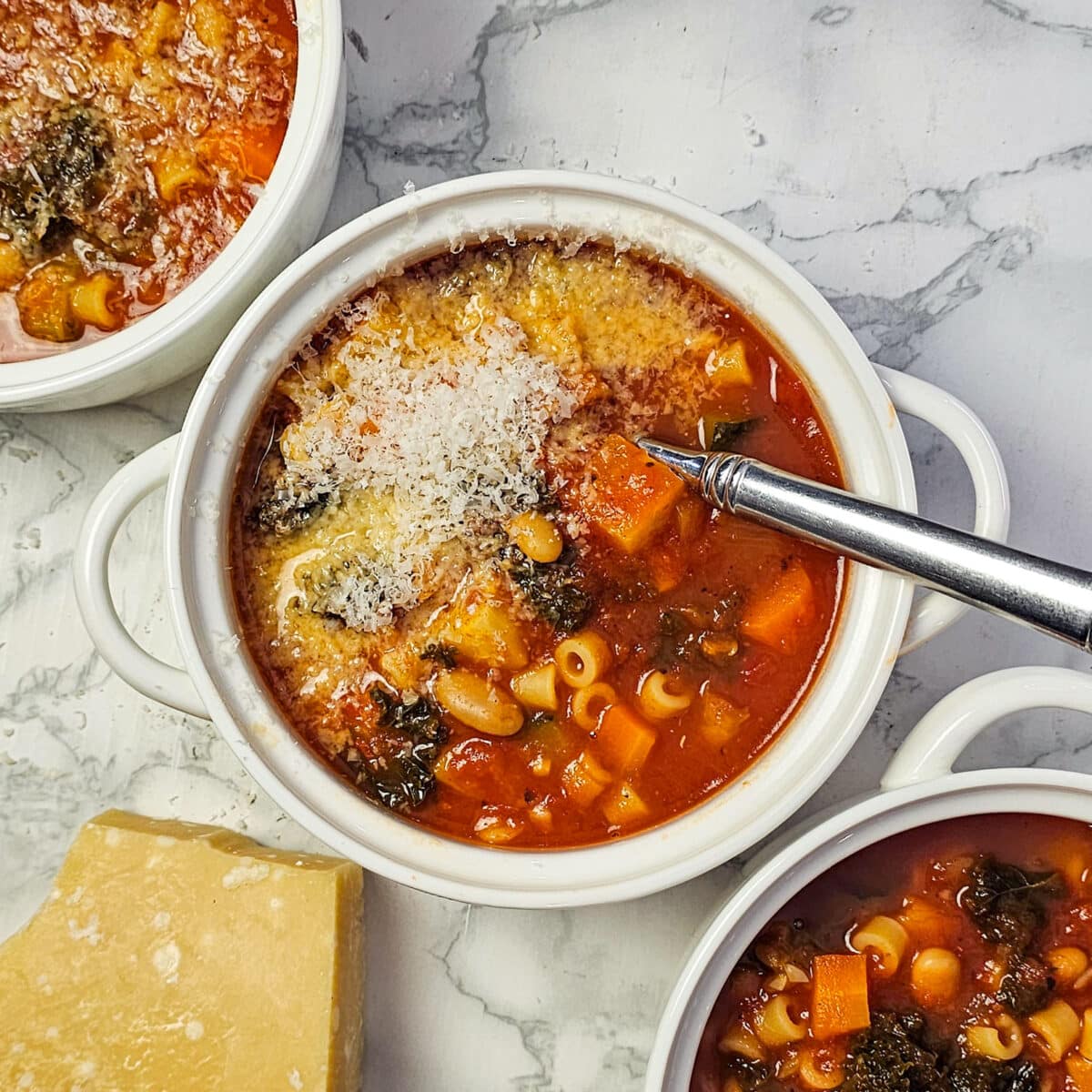
For a soup that has been around for centuries and has come to personify the Italian primal attitude towards cooking, you’d expect many variations. Every region, every town, every community, every Nonna from Brescia to Bari, Genoa to Naples, has its own authentic version of this what’s-not-to-love soup. Add a crusty semolina loaf and some regional Italian cheeses to the table, and have a joyful meal.
“You could call soup the definition of soul food – a warming bowl of goodness. No matter what time of the year, it’s always soup season to me. One of my favorites in minestrone. Not only is it so satisfying, but it’s still light and fresh. It’s easy to make and highly seasonable. Carrots, onions, and other vegetables enrich the herb, tomato-y broth. The beans and pasta thicken the soup to a rich flavor. It’s not flashiest in the slightest, but it will keep you remembering and wanting more.” — David LaForce, The Cook’s Cook Community Forum on Facebook
Ingredients
- •1/2 cup diced pancetta or bacon
- •1 large onion, chopped
- •3 cloves garlic, chopped
- •60 ml (1/4 cup) good olive oil
- •4 carrots, peeled, cut into small dice
- •2 stalks celery, sliced
- •1 tablespoon fresh (or 1 teaspoon dried) rosemary
- •4 large ripe tomatoes, blanched, peeled, seeded, chopped (high quality canned OK)
- •237 ml (1 cup) each dried cranberry and navy beans, soaked overnight*
- •237 ml (1 cup) fresh green beans (preferably haricoverts), cut in 1.2 cm (½-inch) pieces
- •2 liters (8 cups) chicken or vegetable broth, or as needed
- •355 ml (1 1/2 cups) shredded cabbage
- •Salt and freshly ground black pepper to taste
- •2 tablespoons finely chopped parsley
- •227 grams (½ lb) small pasta (tubettini, tiny shells, mini penne), cooked to just al dente, rinsed in cold water
- •Rinds of Pecorino Romano or Parmigiano cheese
- •Pecorino Romano or Parmigiano cheese, grated, for sprinkling
*Canned beans may be substituted; add in last half hour of simmer.
Preparation
- In a pot large enough to hold all of the ingredients sauté the pancetta until translucent. Add the onion to the rendered fat and cook until softened. Add garlic and cook until softened. Drain off excess fat; add olive oil. Add the carrots, celery, and rosemary; cover the pot and ‘sweat’ them briefly in a little of the stock. Meanwhile, drain and cook the soaked beans in unsalted boiling water for 20 minutes.
Drain the beans, reserving the cooking water. Purée one cup’s worth of beans in with a stick blender or food processor with a little reserved water.
Add purée to the cooking vegetables. Add tomatoes and cook about 5 minutes. Add the remaining beans, green beans, and stock. Grind in some pepper; add a Pecorino or Parmigiano rind if you have one. Simmer for 30 minutes. Add cabbage, and simmer another 30 minutes. If too thick, add more broth. Adjust seasonings. Add chopped parsley. Can be made ahead to this point.
When ready to serve, put a half cup or more of cooked pasta in the bottom of each warmed bowl, and pour over the hot soup. Sprinkle with grated cheese and serve. Pass the pepper mill and remaining cheese.