

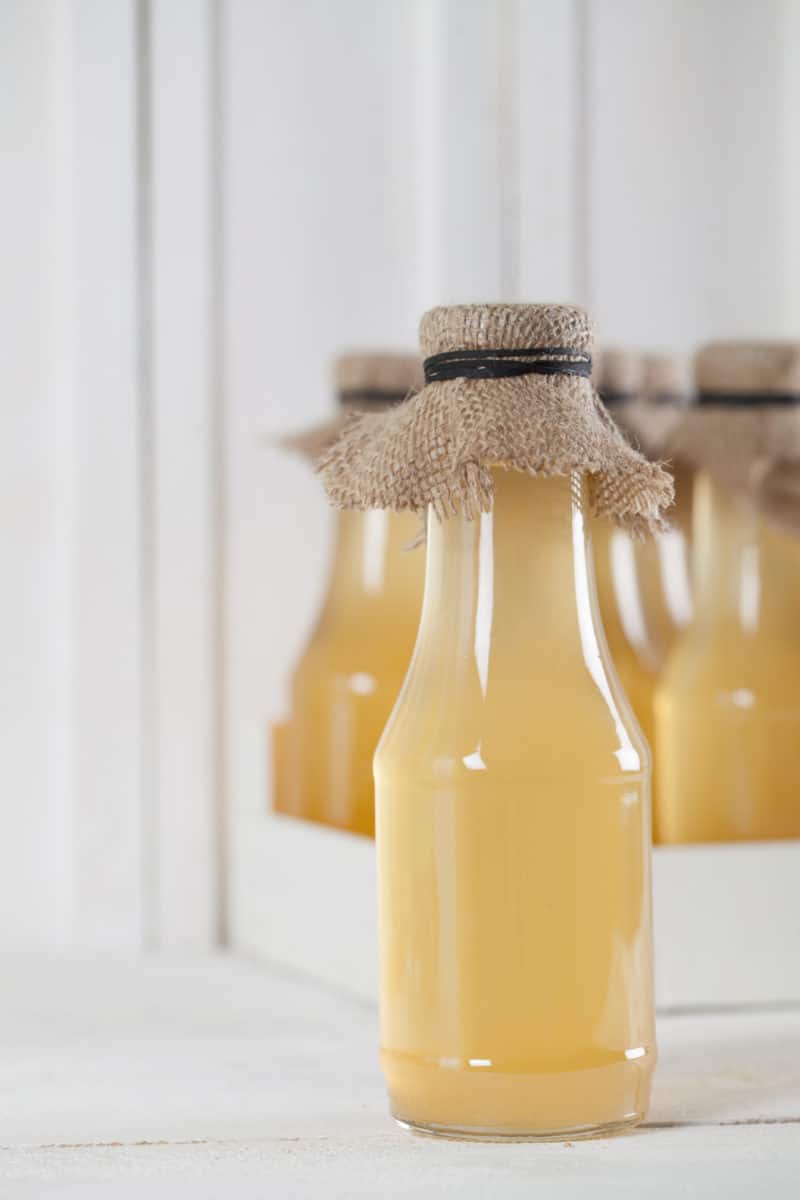
Syrups are an easy way to preserve your wild harvest, and once made, they’re very versatile. Use them as cocktail ingredients, in marinades, over ice cream, or on pancakes. Making foraged syrups lets you enjoy the peak flavor of these wild ingredients all year long.
These syrups will last for several months in the refrigerator. For longer term storage, process them in a boiling water bath for 10 minutes. Unopened, processed syrups will last for at least a year on the shelf. My guess is you’ll devour them long before a year is up.
Shagbark Hickory Syrup
I’d love to make tree syrups, but tapping multiple trees and boiling sap for hours is a little daunting. So I was thrilled to learn I could make a quicker, easier syrup by boiling the bark of the shagbark hickory tree (Carya ovata). It’s easy to harvest bark without damaging the tree, and the syrup has a unique smoky flavor.
Shagbark hickory trees have a distinctive bark: long pieces turn up at the ends, giving the tree a shaggy look. To harvest the bark, break off pieces 10 to 15 cm (4 to 6 inches) long from the loose ends of the bark strips. Don’t peel off any bark that is firmly attached to the trunk of the tree. This can create wounds that invite insects and disease.
Shagbark hickory syrup can be used in place of maple syrup on pancakes or waffles. Use it to flavor sorbets or ice cream, in a glaze for chicken, pork, or salmon, or as a cocktail ingredient. Try mixing it with equal parts sumac-infused rum for a special treat.
Carob Syrup
Carob (Ceratonia siliqua) powder doesn’t dissolve in water the way cocoa powder does. If you want a silky smooth carob syrup, you’ll need to boil whole carob.
How will you use your carob syrup? Stir some into hot or cold milk, the way you’d use chocolate syrup. Pour it over ice cream or frozen yogurt. Drizzle it on fresh figs, pears, or sharp cheese. Use it in marinades, or to flavor salad dressings.
Wild Ginger Syrup
In liquid form, wild ginger can flavor cocktails, soft drinks, sorbets, or marinades with its complex taste. Wild ginger (Asarum canadense) syrup can be made with fresh or dried wild ginger. The general rule for adjusting recipes from fresh to dried spices recommends using 1/4 as much dried as you would fresh. Dried spices have had all the water removed, which concentrates the flavor…that’s why you use less.
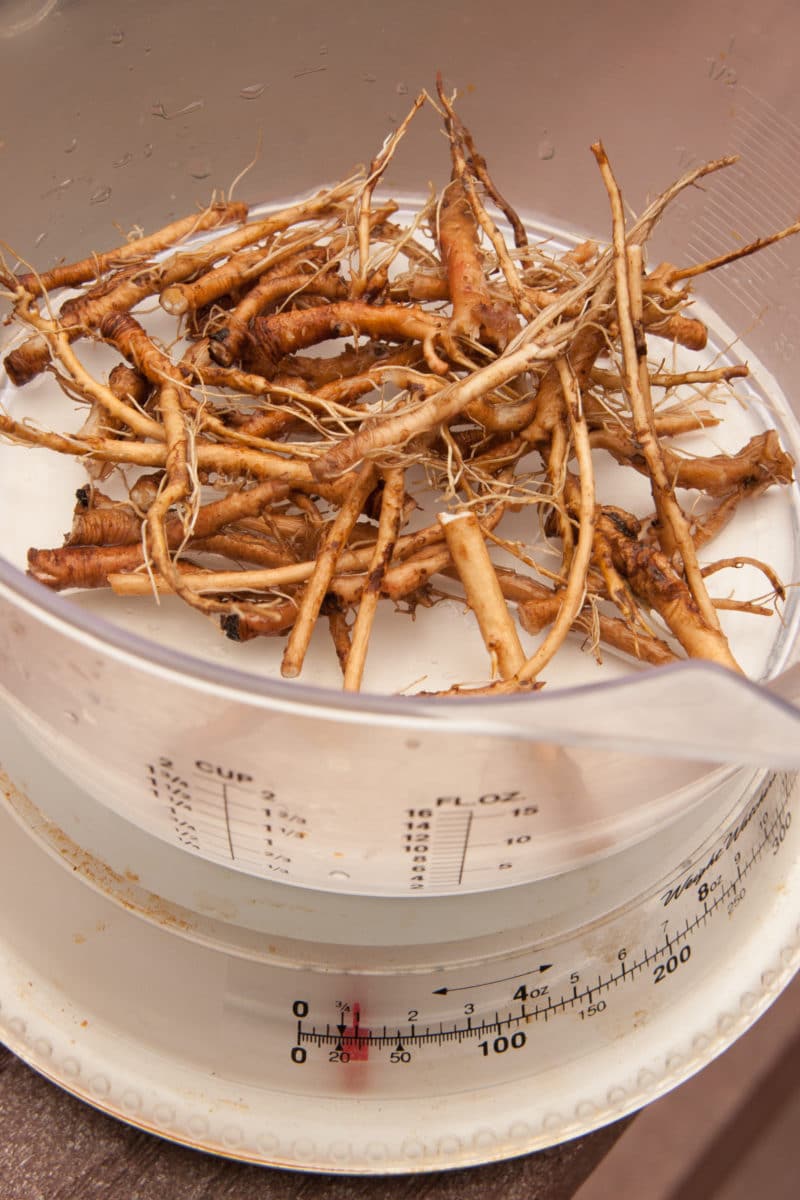
Wild ginger syrup is equally delicious in sweet or savory foods. Use it as a base for ginger ice cream, sorbet, or granita, or, create a marinade for fish or chicken with wild ginger syrup, soy sauce, and peanut oil.
First published October 2016
Shagbark Hickory Syrup
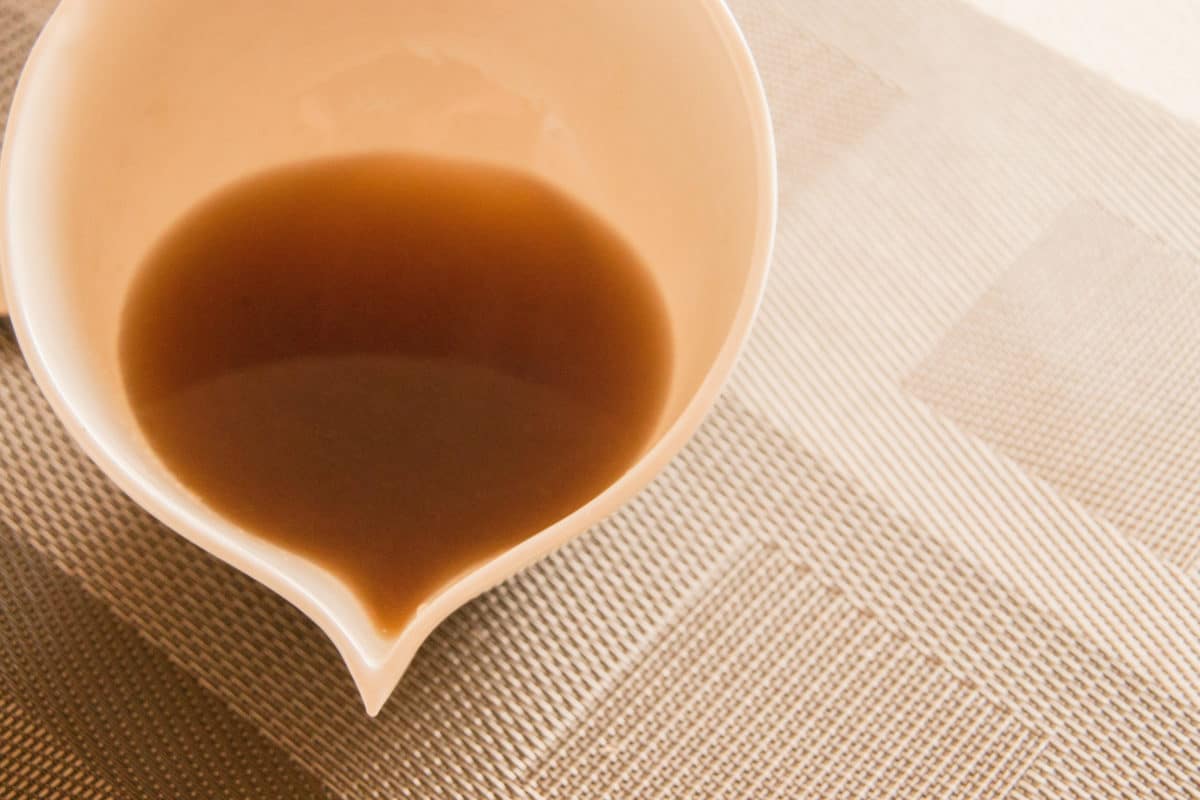
Shagbark hickory syrup can be used in place of maple syrup on pancakes or waffles. Use it to flavor sorbets or ice cream, in a glaze for chicken, pork, or salmon, or as a cocktail ingredient. Try mixing it with equal parts sumac-infused rum for a special treat.
Ingredients
- •454 grams (1 pound) shagbark hickory bark
- •Sugar
To harvest the shagbark, break off pieces 10 to 15 cm (4 to 6 inches) long from the loose ends of the bark strips. Be sure not to only take bark that is already loose of the tree.


Preparation
Preheat oven to 177°C (350°F).
Rinse off the bark to remove any debris. It’s okay to scrub the bark, but don’t use soap. Discard any pieces with lichen on them. Lichen has its own taste, and it’s neither smoky nor sweet.
Spread the bark pieces on a cookie sheet and roast them for 20 – 25 minutes. Transfer the bark to a large pot and add enough water to cover. Bring the water to a boil, then reduce the heat and simmer for 30 minutes.
Strain the liquid and discard the bark, then measure the liquid and return it to the pot. Add an equal volume of sugar and bring the mixture to a boil, then reduce the heat to a simmer and whisk regularly to avoid scorching. Continue to cook until the liquid is reduced by 25 – 30%, then remove it from the heat and let it cool.
Pour your syrup into bottles or canning jars.

Carob Syrup
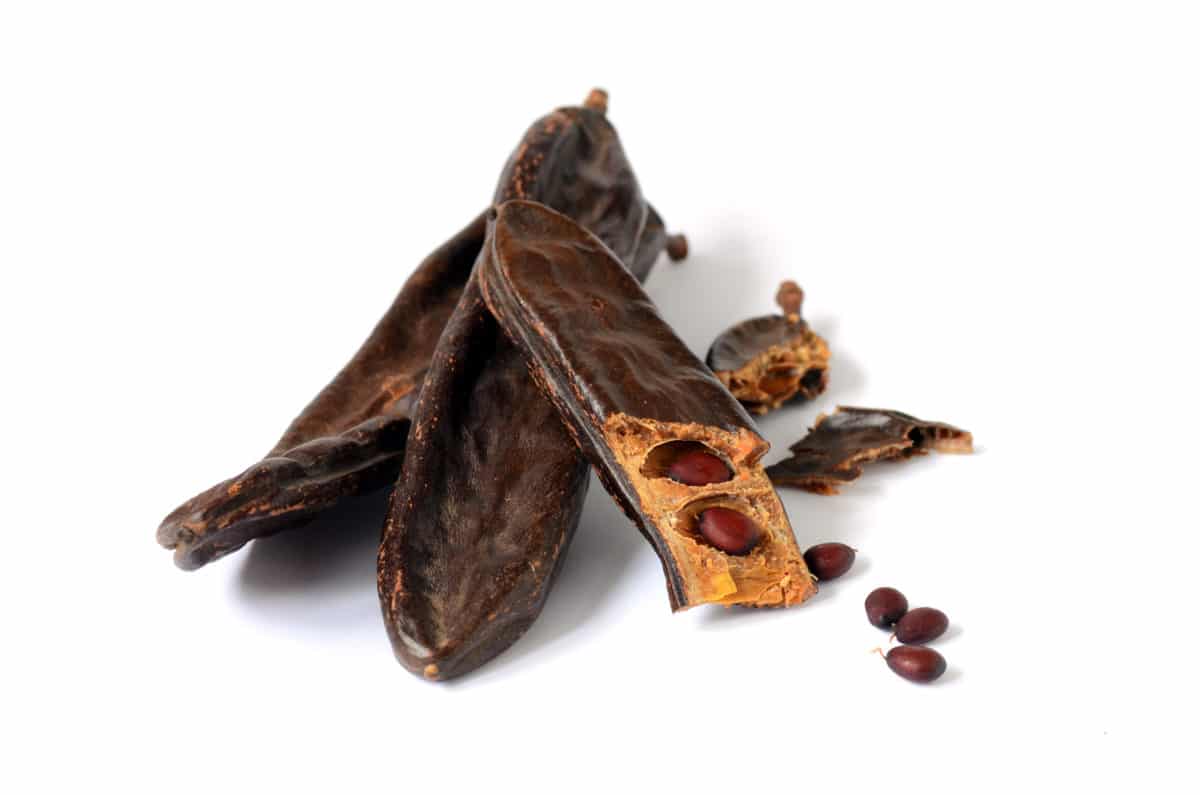
Carob syrup may be stirred into hot or cold milk, the way you’d use chocolate syrup. Pour it over ice cream or frozen yogurt. Drizzle it on fresh figs, pears, or sharp cheese. Use it in marinades, or to flavor salad dressings.
Ingredients
- •454 grams (1 pound) carob pods
- •Sugar
Preparation
Preheat oven to 148°C (300°F).
Rinse your carob pods and lay them out in a single layer on a baking sheet. Roast the pods in the oven for 40 minutes. This extra step makes a big difference in flavor and accentuates the natural sweetness of the carob.
When the pods have cooled, break them up into pieces 5 to 7.6 cm (2 to 3 inches) long. They should be easy to snap with your hands. Transfer the broken pods to a large bowl, cover with water, and soak them overnight, or for at least eight hours.
Once the pods have finished soaking, strain off the liquid and set the pods aside. (You can use them later to make carob powder.) Taste the liquid and you’ll notice it’s already slightly sweet. Measure it and pour it into a saucepan. Add an equal amount of sugar and whisk to combine over medium heat. The sugar should be completely dissolved. Bring the liquid to a simmer and continue to cook, stirring regularly, until the liquid has reached the consistency of maple syrup. This should take 15 – 20 minutes.
Remove the syrup from the heat and allow it to cool before pouring it into bottles or jars.
Wild Ginger Syrup
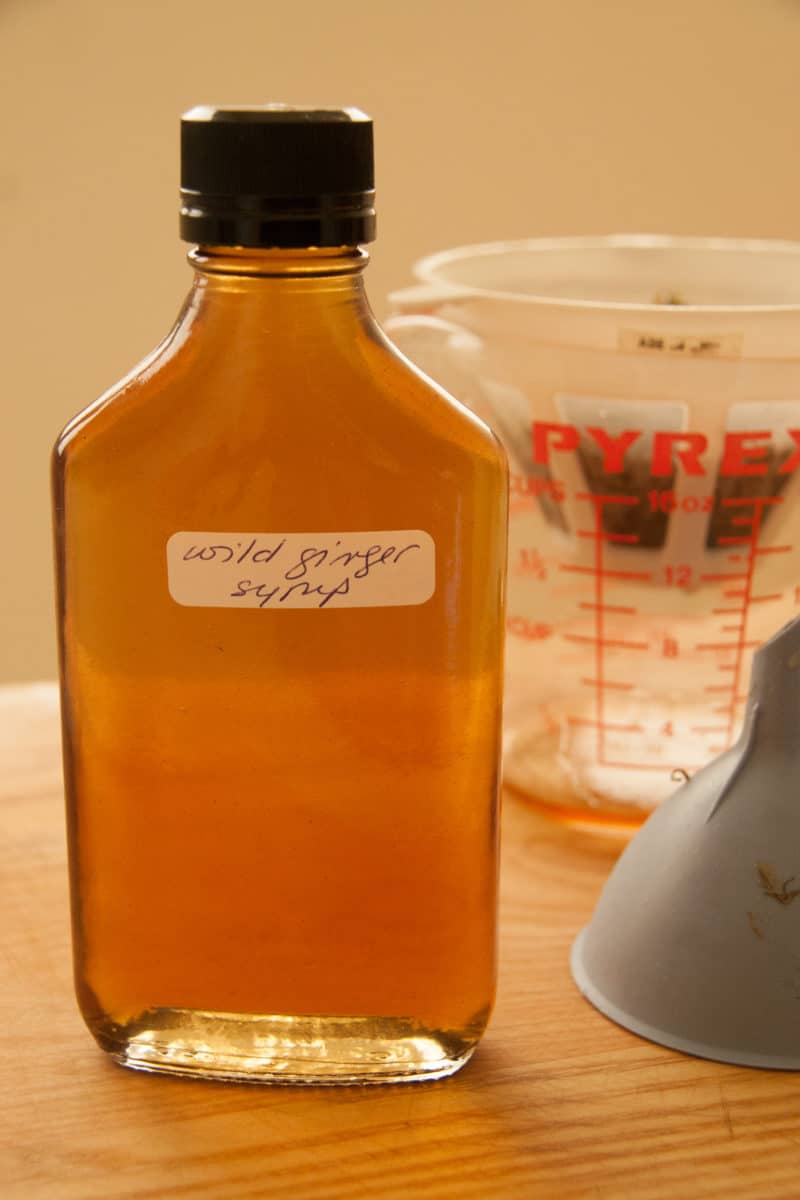
Wild ginger syrup is equally delicious in sweet or savory foods. Use it as a base for ginger ice cream, sorbet, or granita, or, create a marinade for fish or chicken with wild ginger syrup, soy sauce, and peanut oil
Ingredients
- •14 grams (½ ounce) dried wild ginger stolons or 57 grams (2 ounces) of fresh stolons
- •100 grams (½ cup) sugar
Wild ginger (Asatum canadense) syrup can be made with fresh or dried wild ginger. The general rule for adjusting recipes from fresh to dried spices recommends using 1/4 as much dried as you would fresh. Dried spices have had all the water removed, which concentrates the flavor…that’s why you use less.
Preparation
Roughly chop the ginger and set it aside. Pieces should be from .6 to 1.2 cm (¼ to ½ inch) long.
In a saucepan, whisk together the sugar and 118 ml (½ cup) water and bring to a boil. To prevent scorching, continue to whisk until the sugar is fully dissolved. Add the ginger to the simple syrup and reduce the heat to a low boil. Simmer for 20 – 30 minutes, until the liquid has the consistency of thin pancake syrup.
Remove the syrup from the heat and let it cool, sitting for four hours to fully infuse the syrup with flavor. Strain the syrup into a bottle and refrigerate. If you have a dehydrator, dry the leftover ginger stolons and save them for baking or using in a dry rub. If you don’t have a dehydrator, freeze the stolons. You can steep them in gin or vodka to create a flavorful infused spirit..
To make homemade wild ginger ale, mix 15 ml (1 tablespoon) of syrup into 237 ml (8 ounces) of seltzer. Add ice and stir. If you’d like a more adult beverage, use the syrup with rum, bourbon, or vodka.