
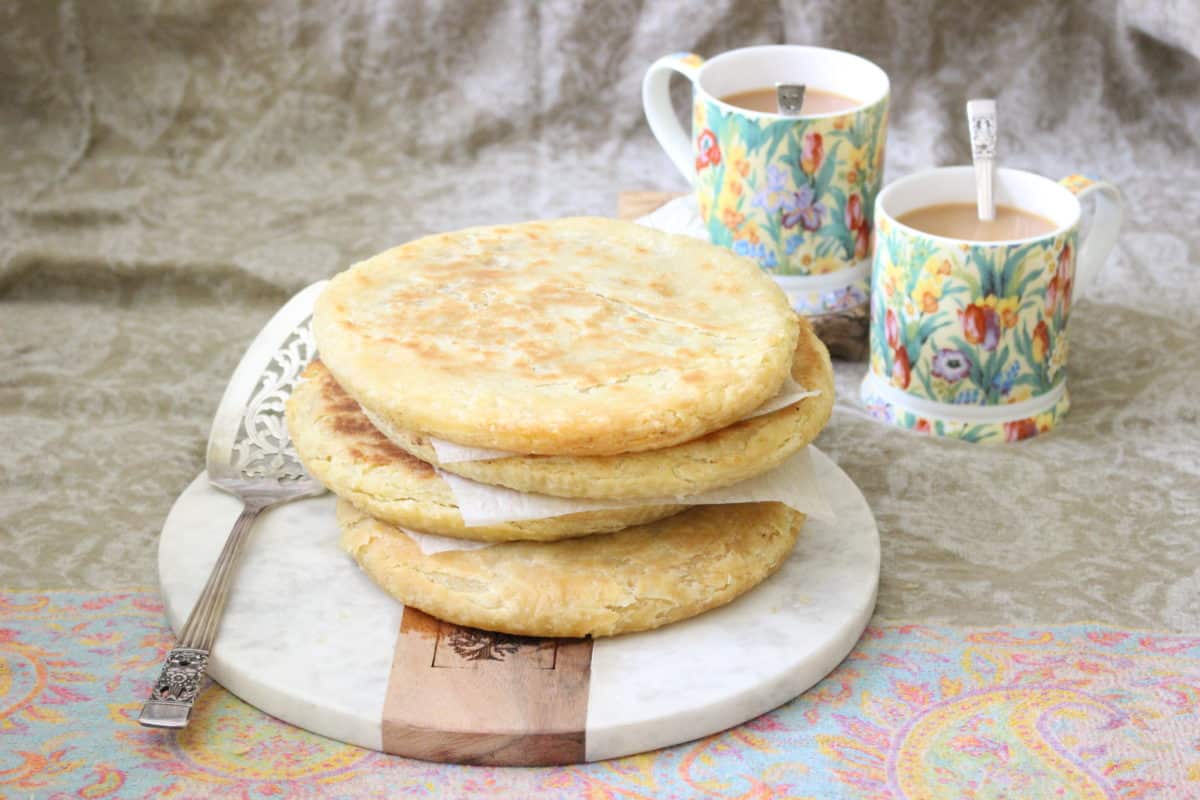
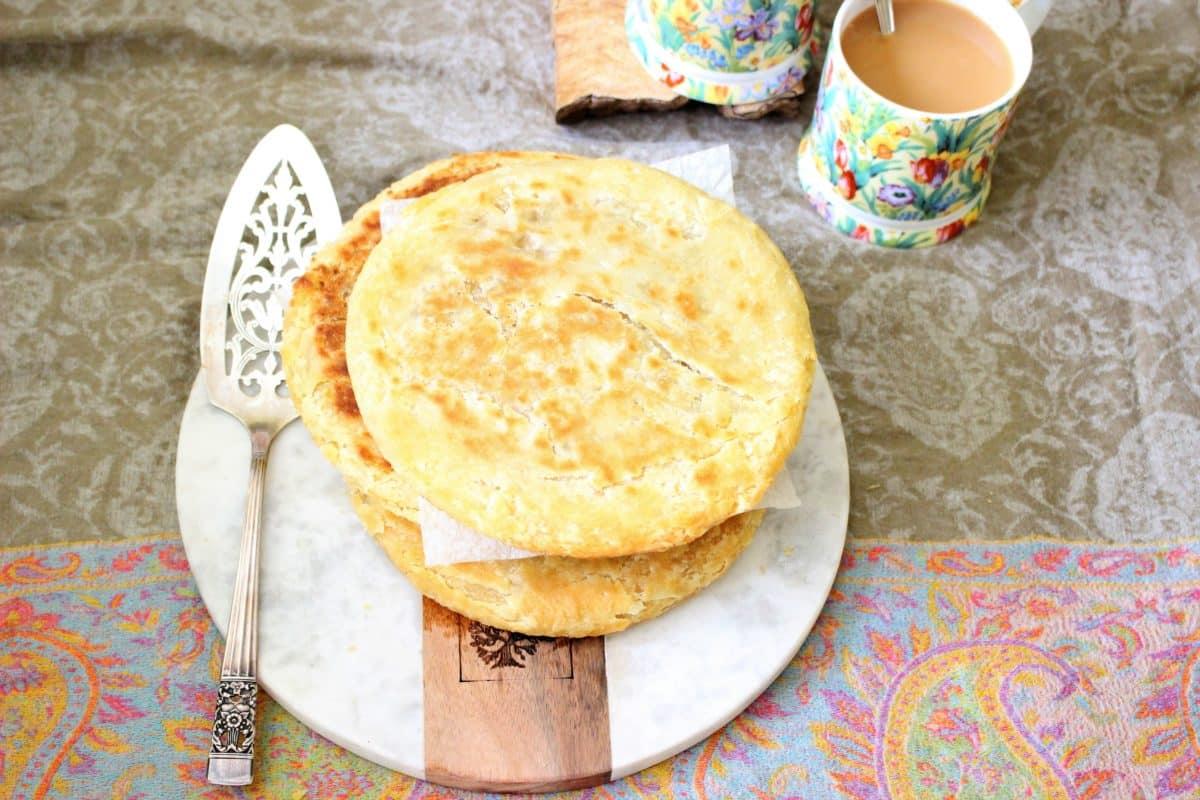
Symbolism in food is often intriguing. This can be said of Daar ni Pori, a sweet lentil filling in a pastry crust resembling a thick rotli (flat bread), often especially prepared for happy occasions. It was initially referred to as Poli (hollow); changing colloquially somewhere down the line to ‘Pori,’a word affectionately referring to a sweet girl.
The circular shape of the daar ni pori represents the earth, while the hard and soft outer and inner shells represent the outer and inner worlds, i.e. the physical and spiritual worlds we all live within.
Traditionally prepared by the family of a bride, to be gifted to the grooms’ side, it is a special sweet shared between the two families soon to be joined in their life’s journey. It may be seen as a symbol of the marriage ceremony where one seeks the blessings of two worlds joining us, the spiritual and the physical.
Since joint family living was the norm, most families were large and generally seven poris were gifted (an auspicious number), if not more. Legend has it that while great pride was taken to specially prepare this at home, the asserting mother-in-law often inquired who exactly had prepared the poris; a sneaky way of gauging the cooking skills of the daughter-in-law to be!
The lentil and the crust were symbols of unity — each one if eaten alone seems somehow incomplete, but they are delicious together. A perfect symbolism for partnership, complementing each other. In the food world, one could refer to it as the perfect marriage of textures and flavors. With the ingredients both simple and economical, these basic food staples are found abundantly in every Parsi home pantry.
The skills necessary to prepare this intricate lentil filled flat bread are a reminder of a bygone era. Everything was prepared by hand; there were no ovens and each one was patiently cooked over a low flame in a cast iron skillet called the ‘tavo.’ It was delicate to handle and was generally moved around the skillet with a cloth until each side was cooked through. With no refrigeration available, preserving the cooked lentils within this hollow flour casing was rather clever. With its ingredients a source of sustenance, this method made it possible to be carried along on a long journey.
While we continue to embrace our heritage with pride it is my personal opinion that change in any community is inevitable, and adapting by living in the moment can be most rewarding.
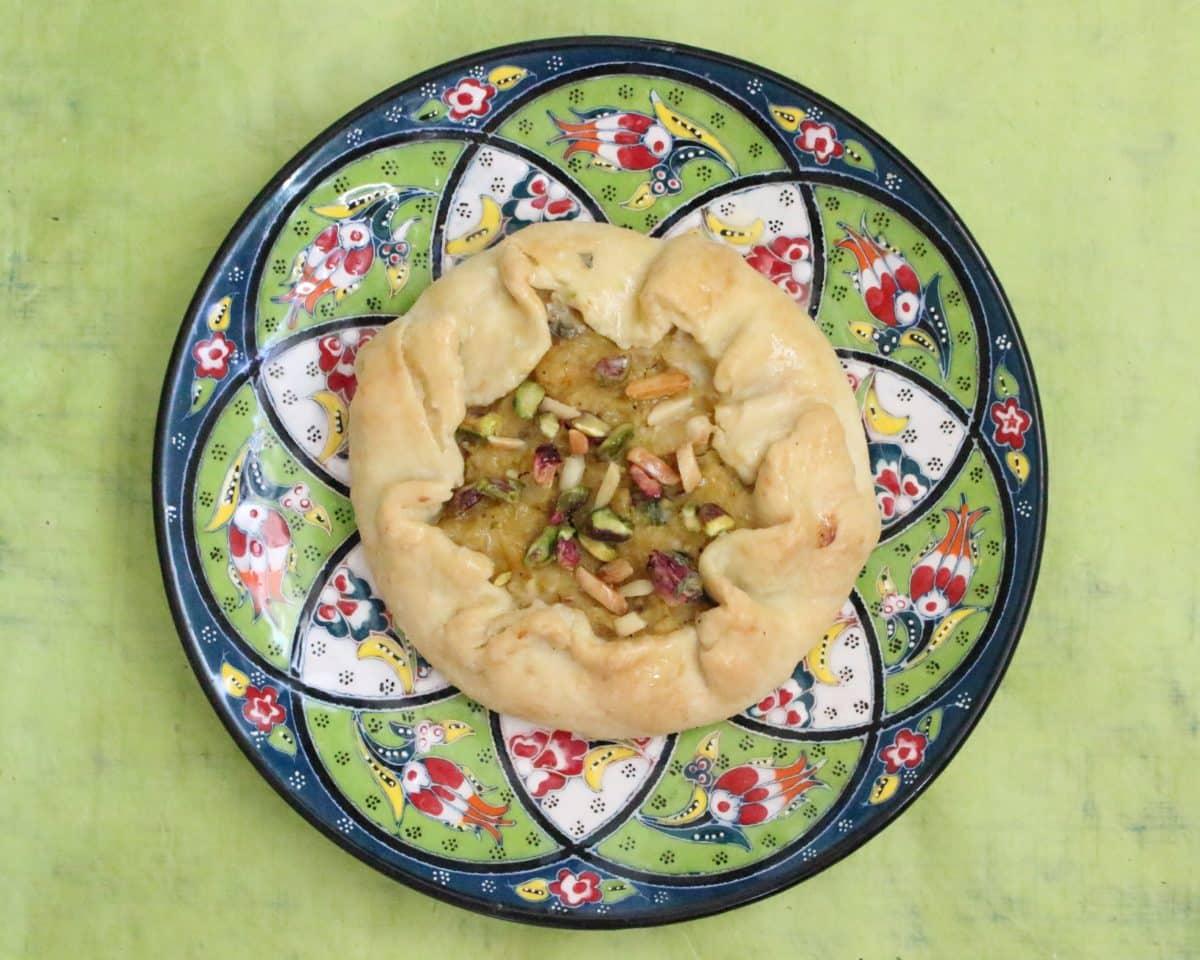
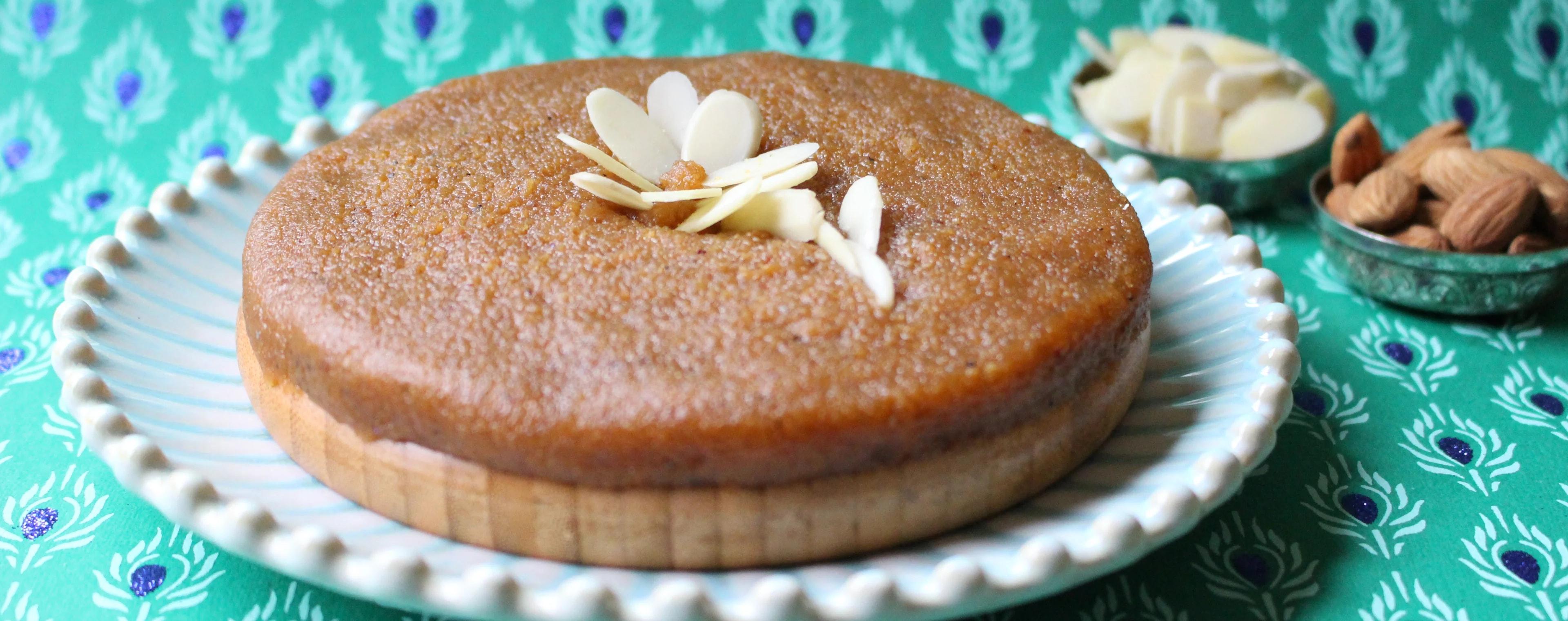
An example of this adaption is my recipe for Daar ni Potli – (potli-money-bag as I like to call it) that resembles Italian crostata. There is a more generous amount of the creamy daar-lentil filling to enjoy than in the traditional version, and the crust is crispier and more delicious. While the traditional crust is prepared with wheat flour it can be prepared with rice flour and semolina added. Butter can be substituted for ghee. While rosewater enhanced the flavors, modern recipes may include the addition of vanilla essence or extract. The delicious fruit and nuts and the delicate saffron threads are what give the Daar ni Potli/Pori its unique flavors and textures. Its origins lie in the combination of the ‘halwa’ that our Persian ancestors prepared and the ‘Puran’ our Indian hosts served on their festive occasions.
It used to be hard to master this recipe at home, but modern recipes have simplified the process. Like most pastry it is best eaten fresh, while still warm, and accompanied with a cup of Parsi Choi – a strong cup of tea that is well brewed with lemon grass and fresh mint, milk and sugar.
While the ingredients are much the same as the ancient recipes, contemporary Daar ni Potli is now easier to prepare, prettier to serve and more inviting to the eye. These changes are a reflection of the times we live in, where traditional foods adapt to modern eating styles.
Daar ni Pori – My Daar ni Potli (Sweetened Lentils in Pastry)

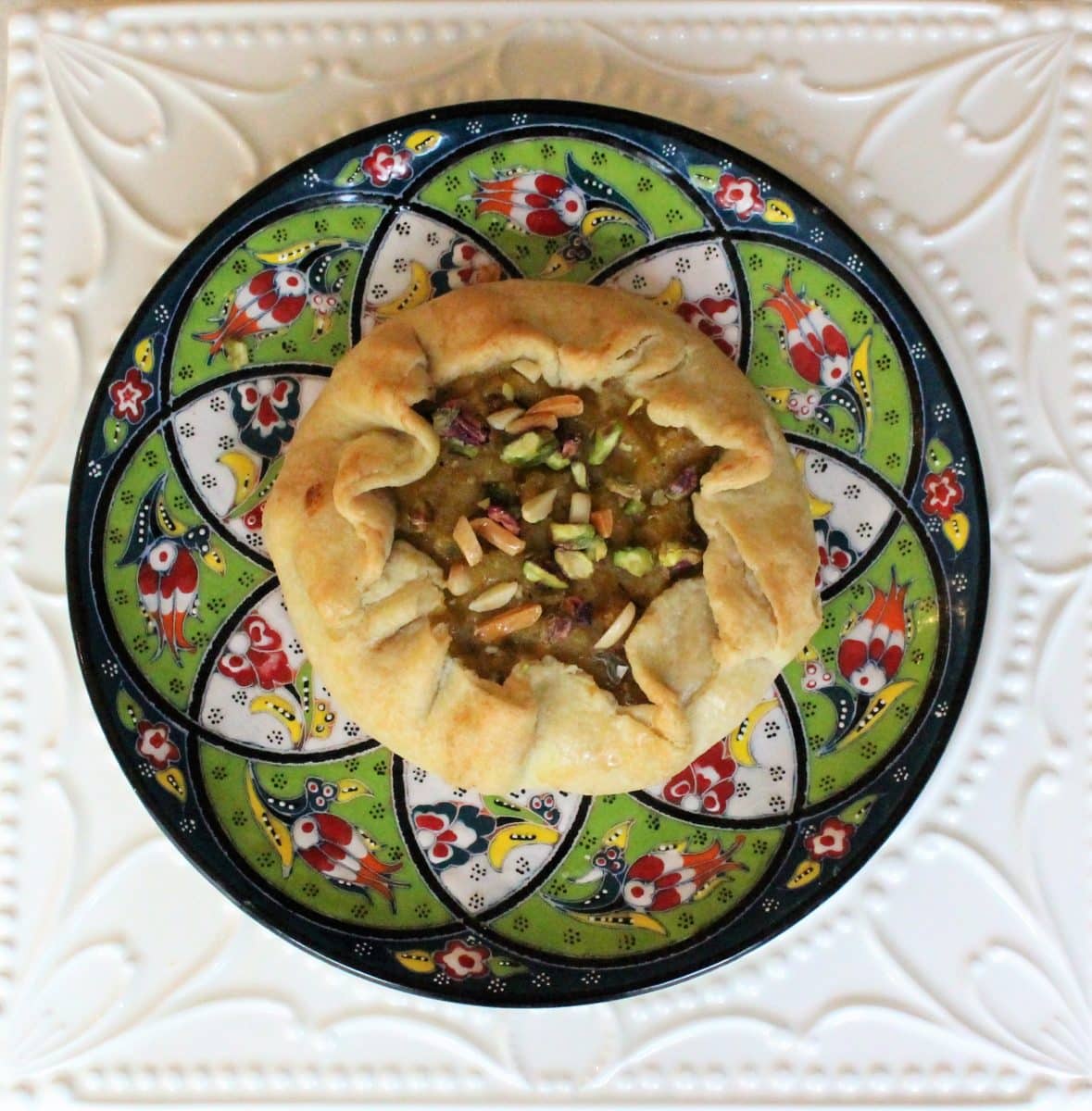
Daar ni Pori is prepared in two parts: the filling(daar) and the outside pastry called the pur (consisting of the dough and the maan).
This wonderful pastry is served on happy occasions, gifted to bridal parties at weddings and is very special.
While the Daar ni Pori looks like a thick stuffed rotli, I have shared my way of making this delicacy look pretty with all the authentic flavors intact. It is my sweet lentil crostata.
NOTE: You will need to begin this recipe TWO days ahead of cooking, to soak the lentils, cook them, and chill overnight.
Ingredients
For the Daar (filling):
- •296 ml (1 1/4 cup) channa daar (split bengal gram lentils)
- •5 ml (1 teaspoon) sea salt
- •177 ml (3/4 cup) sugar
- •15 ml (1 tablespoon) ghee
- •30 ml (2 tablespoons) rosewater
- •15 ml (1 tablespoon) candied orange peel
- •15 ml (1 tablespoon) chopped blanched almonds
- •15 ml (1 tablespoon) chopped unsalted pistachios
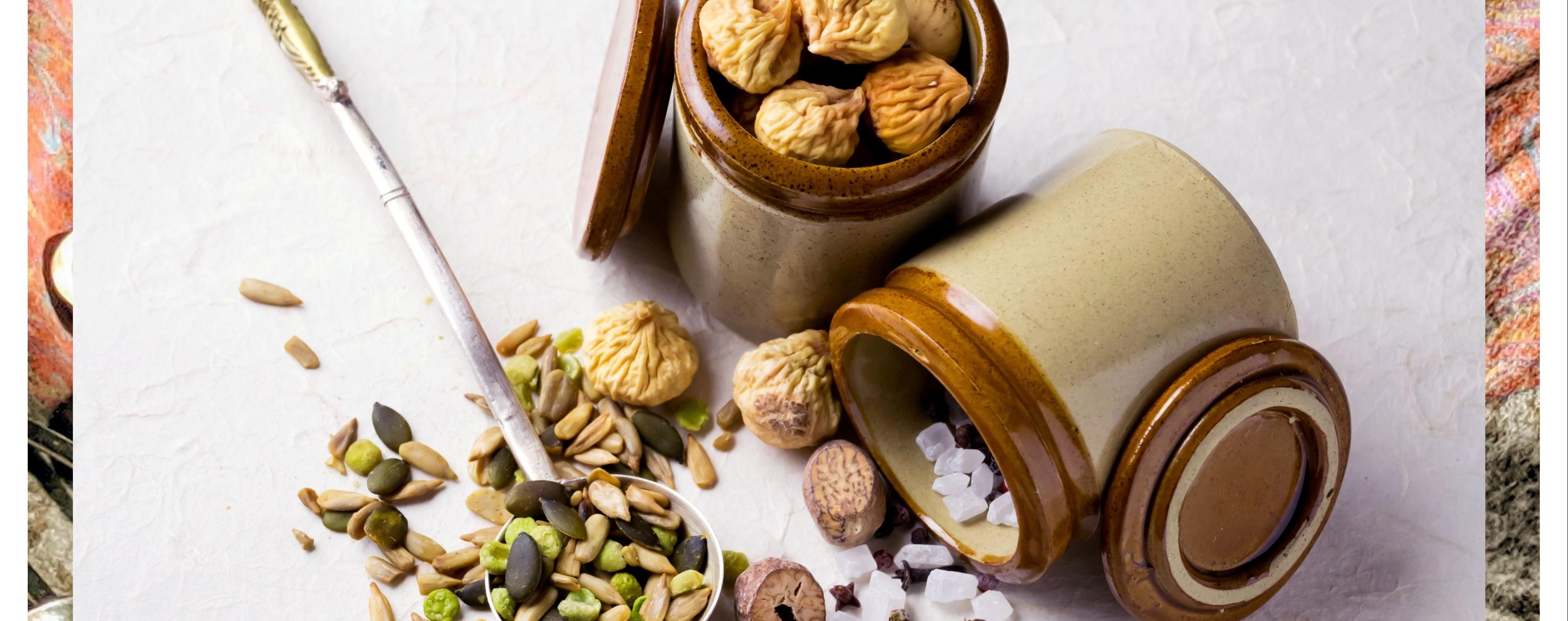
- •15 ml (1 tablespoon) chopped charoli nuts*
- •2.5 ml (1/2 teaspoon) vanilla extract
- •2.5 ml (1/2 teaspoon) ground cardamom
- •1.3 ml (1/4 teaspoon) crushed saffron threads
- •1.3 ml (1/4 teaspoon) freshly grated nutmeg
For the Pur (dough):
- •177 ml (3/4 cup) all-purpose flour, sifted
- •60 ml (1/4 cup) fine semolina
- •5 ml (1 teaspoon) salt
- •78 ml (1/3 cup) ghee
- •60 ml (1/4 cup) rosewater
For the Pur (maan):
- •60 ml (1/4 cup) ghee
- •60 ml (1/4 cup) all-purpose flour, plus additional as needed
For assembly
- •Ghee or oil for greasing baking trays
- •Slivered almonds, pistachios and edible rose petals
* Charoli nuts are wild almond nuts that are available in Indian grocery stores. They can easily be omitted from the recipe if they are unavailable.


Preparation
For the Daar:
Wash and soak the lentils overnight.Rinse lentils again. In a deep pot, boil the lentils in 473 ml (2 cups) water with the salt for an hour. Remove any foam that forms while they cook. Remove from the heat and add the sugar and the ghee. Stir until you can feel the sugar melt. With an immersion blender, pulverize the cooked lentils until smooth.
Return the pan to the stove and cook until all the water has evaporated. Add the remaining filling ingredients, mixing well. Adjust salt and sugar as needed. Chill overnight, and divide equally in two before filling the pastry.
For the Dough (Pur):
Toss the flour, semolina, and salt together. Add the ghee by, using your fingertips or two knives, cutting it into the dry ingredients until it resembles crumbs. Add the rosewater and bring it all together until well combined to resemble a soft, smooth dough.
Cover with a tea towel and allow it to rest for 20 minutes.
For the Maan:
In a pan, heat and melt the ghee, then add the flour. Cook this over medium heat, constantly stirring until smooth. Bring to a boil and continue to cook until it resembles a soft, thin paste; about 3 minutes. Remove it from the heat and allow it to cool and thicken just enough to easily apply over the rolled out dough. Divide equally.
For Assembly:
Grease two 18 cm (7 inch) round foil trays. Divide the dough into 4 equal parts.
On a parchment paper, roll out two parts of the dough to 15 cm (6 inch) rounds. Take half of the maan paste and spread most of it (saving 5 ml/1 teaspoon to finish it off) on one of the rolled pastry discs. Cover with the second rolled pastry disc and further roll them out to a 23 cm (9 inch) circle. Apply the remaining maan paste to the top of this larger disc.
Place the pastry on your greased baking foil tray, covering it completely with an even overhang. Do not press down hard on it. Spoon half the cooled lentil mixture on top of the pastry. Gently pull the overhang over the mound of lentils, overlapping and pinching the pastry to resemble a crostata. Sprinkle it with the slivered almonds.
Repeat for the remaining half of the recipe.
Preheat the oven to 190°C (375°F). Bake the potlis for 35 minutes or until a light golden brown. Garnish with pistachios and rose petals. They are best served warm.
Tips
Butter or browned butter (that has been cooled and refrigerated) can be used instead of ghee. Lightly dust the rolling pin with flour to make rolling easier.
The daar can be made up to 3 days ahead. It also freezes well.
Do not allow the daar to dry out completely. Once cooled, it will thicken up. The perfect consistency is to be able to soft scoop.
To make traditional daar ni poris, lift the overhang and pull it over to the center, ensuring that it is sealed together. Press gently with the palm of your hand to form an even disc.
Do not overbake the potlis or the poris. They should have a soft pink hue on them once cooked. To reheat, it is best to use the oven or a hot skillet. Do not use a microwave.